GFC Hair Therapy: What Clinic Owners Need to Know Before Adding It to Their Menu
GFC Hair Therapy: What Clinic Owners Need to Know Before Adding It to Their Menu
Hair restoration is one of the fastest-growing categories in aesthetic and trichology practices, and clinics are increasingly looking beyond traditional PRP (Platelet-Rich Plasma) toward newer, more refined options. One of the most talked-about advancements is GFC Growth Factor Concentrate therapy. If you're considering adding GFC treatments to your clinic's offerings, here's what you need to know about the science, the procedure, and the business case.
What Is GFC Therapy?
GFC, or Growth Factor Concentrate, is a hair restoration treatment derived from the patient's own blood, similar in concept to PRP but processed differently to isolate a higher concentration of growth factors while minimizing red blood cells and inflammatory components.
A GFC kit typically includes specialized collection tubes and a processing protocol designed to separate and concentrate the plasma's key growth factors such as PDGF (platelet-derived growth factor), VEGF (vascular endothelial growth factor), and EGF (epidermal growth factor) which are believed to stimulate hair follicles, improve blood supply to the scalp, and support healthier hair growth cycles.
How GFC Differs from PRP
This is often the first question clinic owners and patients ask, since PRP has been the standard for years.
- Concentration and purity - GFC processing is designed to yield a more concentrated growth factor solution with fewer red blood cells, which some practitioners believe reduces inflammation and scalp irritation post-treatment.
- Consistency - Because the processing protocol is more standardized, GFC preparations may offer more consistent growth factor yield from session to session compared to some PRP kits.
- Patient comfort - Some patients report less discomfort and reduced redness after GFC sessions, though individual results and study findings vary.
It's worth noting that GFC is a newer entrant to the market compared to PRP, and research is still building. Clinics should present it to patients as an emerging, evidence-informed option rather than a guaranteed superior alternative.
The GFC Procedure: What It Looks Like in Practice
A typical GFC session follows a workflow similar to PRP, making it relatively easy for clinics already offering PRP to adopt:
- Blood draw - A small blood sample is collected from the patient, similar to a standard blood test.
- Processing - The sample is processed using the GFC kit's specific centrifugation protocol to isolate the concentrated growth factor solution.
- Scalp preparation - The treatment area is cleansed and, if needed, numbed with topical anesthetic.
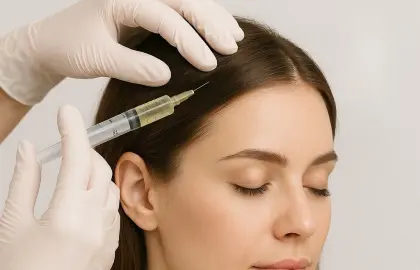
- Injection or application - The GFC solution is injected into the scalp using fine needles or a micro-needling device, targeting areas of thinning or hair loss.
- Aftercare guidance - Patients are advised on post-treatment care, including avoiding harsh hair products or excessive sun exposure for a short period.
Sessions typically take 30–45 minutes, and most protocols recommend a series of treatments (often 3–6 sessions spaced several weeks apart) followed by maintenance sessions.
Why Clinics Are Adding GFC to Their Service Menu
1. Growing Patient Demand Hair loss affects a significant portion of both men and women, and patients are increasingly seeking non-surgical, minimally invasive options before considering transplants or long-term medication use.
2. Differentiation from Competitors Since GFC is newer than PRP, clinics offering it can position themselves as staying current with advanced treatment options appealing to patients researching the latest in hair restoration.
3. Attractive Margins Like PRP, GFC treatments typically involve a relatively low per-session supply cost (the kit) relative to what clinics can charge per session, making it a strong revenue contributor when priced appropriately for the local market.
4. Complements Existing Services GFC pairs naturally with other hair restoration offerings such as micro-needling, laser therapy, or topical treatments allowing clinics to build multi-modality treatment packages.
5. Relatively Quick Learning Curve For clinics already trained in PRP or injectable procedures, the shift to offering GFC generally requires minimal additional training, since the workflow and injection technique are similar.
What to Consider Before Adding GFC to Your Clinic
- Staff training and certification - Ensure practitioners performing GFC treatments are properly trained in blood draw, processing protocols, and scalp injection technique.
- Kit quality and sourcing - Not all GFC kits are created equal; processing consistency and growth factor yield can vary between manufacturers, so sourcing from a reputable supplier matters.
- Patient candidacy - GFC is generally best suited for patients in the early-to-moderate stages of hair thinning; patients with advanced baldness may see more limited results and should be counseled accordingly.
- Setting realistic expectations - As with PRP, results vary by patient, and multiple sessions are usually needed before visible improvement. Clear communication upfront helps manage patient satisfaction.
- Regulatory and consent requirements - As an autologous blood-derived treatment, GFC therapy should follow the same consent, sterility, and documentation standards as PRP or other injectable procedures in your region.
Marketing GFC to Your Patients
Clinics adding GFC often find success by:
- Educating patients on the difference between GFC and PRP during consultations
- Offering package pricing for multi-session protocols to encourage commitment
- Highlighting before-and-after results (with patient consent) to build trust
- Positioning GFC as part of a broader hair health program alongside topical or lifestyle recommendations
Final Thoughts
GFC therapy represents a natural evolution in autologous hair restoration treatments, offering clinics a way to expand their service menu with a procedure that's relatively straightforward to integrate, appeals to patients seeking the latest options, and can be a strong addition to existing PRP or aesthetic offerings. As with any emerging treatment, success comes down to sourcing quality kits, proper training, and setting clear expectations with patients from the first consultation.
Latest Posts