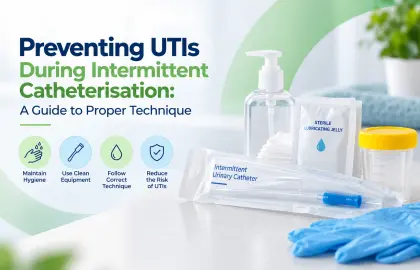
Understanding Hydrophilic Urinary Catheters: Comfort, Convenience, and Care
Hydrophilic Urinary Catheters: What They Are, How They Work, and Who They Help
If you or a loved one relies on intermittent catheterization, you've probably come across the term "hydrophilic catheter." These catheters have become one of the most widely recommended options for people managing bladder conditions, thanks to their comfort and ease of use. Here's a complete guide to what they are, how they work, and what to consider when choosing one.
What Is a Hydrophilic Urinary Catheter?
A hydrophilic catheter is a urinary catheter coated with a special polymer that absorbs and binds water, creating an ultra-smooth, slippery surface once activated. Unlike standard (uncoated) catheters, which typically require a separate lubricant applied by hand, hydrophilic catheters only need to be soaked or flushed with water for a short period usually 15 to 30 seconds before use.
The result is a catheter that glides into the urethra with minimal friction, reducing discomfort and the risk of irritation with each use.
How Do Hydrophilic Catheters Work?
The coating on a hydrophilic catheter is designed to attract and hold onto water molecules. When the catheter is exposed to water (either from a pre-filled saline pouch built into the packaging or from tap water), the coating swells slightly and becomes gel-like and slick.
Most hydrophilic catheters today come in one of two formats:
- Pre-lubricated / ready-to-use catheters - These include a sealed saline reservoir within the packaging. The catheter self-activates as it's pulled through the pouch, so no separate water source is needed. Ideal for travel, work, or situations where a sink isn't nearby.
- Coated catheters requiring water activation - These require the user to add tap water or saline to the packaging and wait briefly before the catheter is ready to use.
Key Benefits of Hydrophilic Catheters
1. Reduced Friction and Discomfort The smooth, slippery coating significantly lowers friction against the urethral lining compared to uncoated catheters, which can make catheterization more comfortable, especially for frequent or long-term users.
2. Lower Risk of Urethral Trauma Because there's less friction, there's also less risk of micro-trauma to the urethral tissue over repeated use. Some studies suggest this may translate into a reduced risk of complications like strictures over time.
3. Convenience No need to carry separate lubricant. Everything required is built into the catheter packaging, making these catheters especially convenient for use outside the home at work, school, or while traveling.
4. Hygiene Many hydrophilic catheters are designed as closed-system or "no-touch" devices, meaning the catheter can be handled and inserted without directly touching the catheter shaft. This can help reduce the risk of introducing bacteria, which is a key concern for people prone to urinary tract infections (UTIs).
5. Single-Use Design Hydrophilic catheters are intended for one-time use, which supports good hygiene practices compared to reusing catheters.
Who Might Benefit from Hydrophilic Catheters?
Hydrophilic catheters are commonly recommended for people who perform intermittent self-catheterization due to conditions such as:
- Neurogenic bladder (from spinal cord injury, multiple sclerosis, spina bifida, or similar conditions)
- Urinary retention
- Post-surgical bladder management
- Recurrent urinary tract infections associated with catheter friction
- Long-term catheter users looking for a more comfortable daily routine
They're often suggested for people who catheterize multiple times per day, since the comfort and convenience factors matter most with frequent use though anyone using catheters, regardless of frequency, may benefit.
Choosing the Right Hydrophilic Catheter
A few factors typically matter when selecting a hydrophilic catheter:
- Catheter length and tip design - Straight-tip catheters work well for most users, while coudé (curved) tips can help navigate anatomical obstructions, such as an enlarged prostate.
- Activation method - Ready-to-use pouches offer maximum convenience; water-activation styles may be more budget-friendly.
- French (Fr) size - This refers to the diameter of the catheter and should be determined with guidance from a healthcare provider.
- Insurance and supply coverage - Many hydrophilic catheters are covered by insurance or Medicare with proper documentation, so it's worth checking eligibility.
A Note on Medical Guidance
Catheter type, size, and technique should always be determined in consultation with a physician, urologist, or urology nurse specialist, since individual anatomy and medical history play a significant role in what's appropriate. This article is intended for general educational purposes and isn't a substitute for personalized medical advice.
Final Thoughts
Hydrophilic urinary catheters have transformed intermittent catheterization for many people, offering a level of comfort, hygiene, and convenience that uncoated catheters can't match. Whether you're new to catheter use or considering switching from a traditional catheter, understanding how hydrophilic technology works can help you have a more informed conversation with your healthcare provider about what's right for you.
Latest Posts