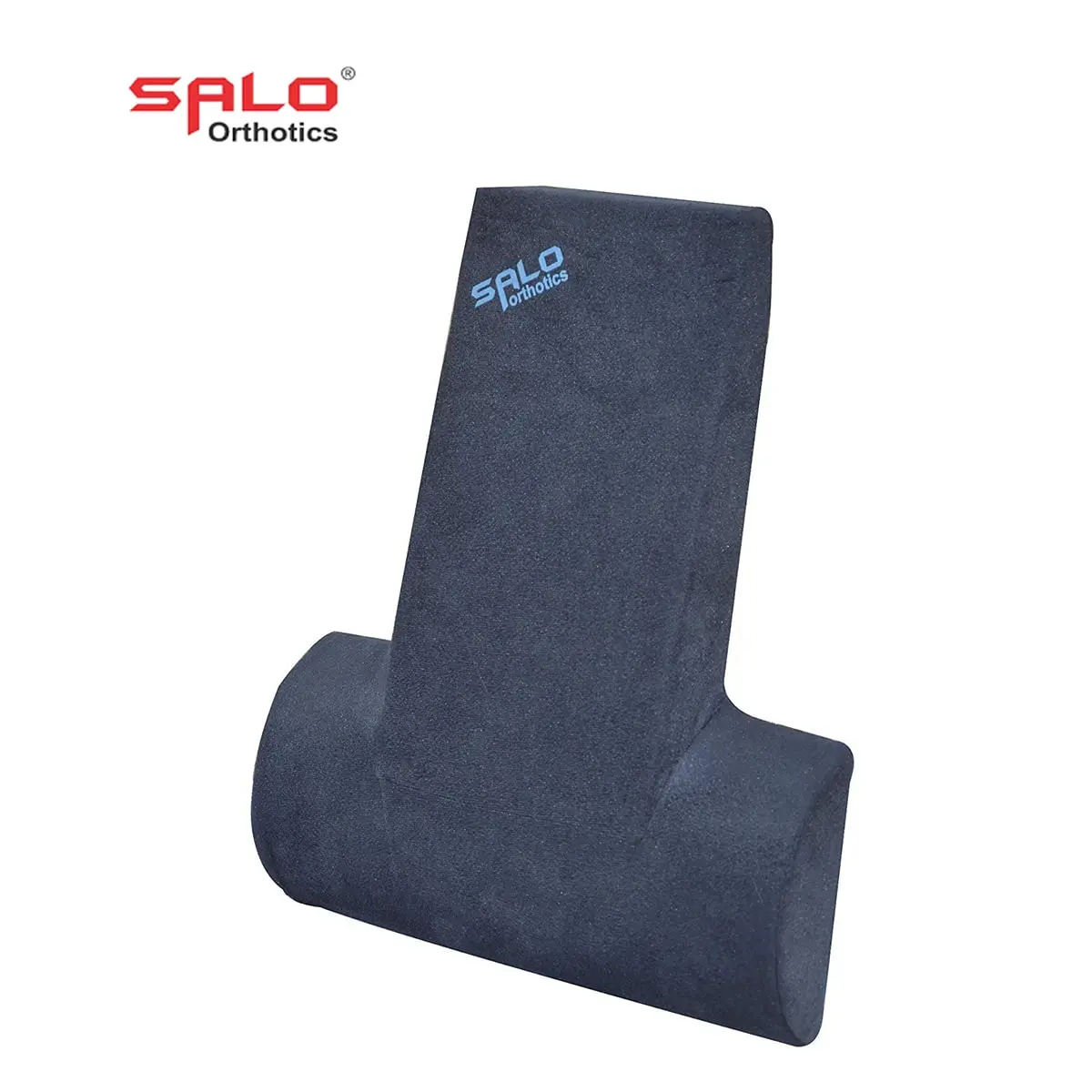
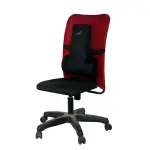
Spine Lumbar Back Rest (T- Shaped)
Features
- Distinctive T-Shaped Profile for Simultaneous Lumbar & Upper Thoracic Wing Support
- Central Spine Groove for Pressure-Free Vertebral Column Contact
- Relieves Lower Back Pain, Sciatica, Disc Herniation & Lumbar Nerve Root Irritation
- Corrects Forward Head Posture & Rounded Shoulders via Full Postural Chain Realignment
- High-Density Memory Foam or Supportive Foam Core for All-Day Shape Retention
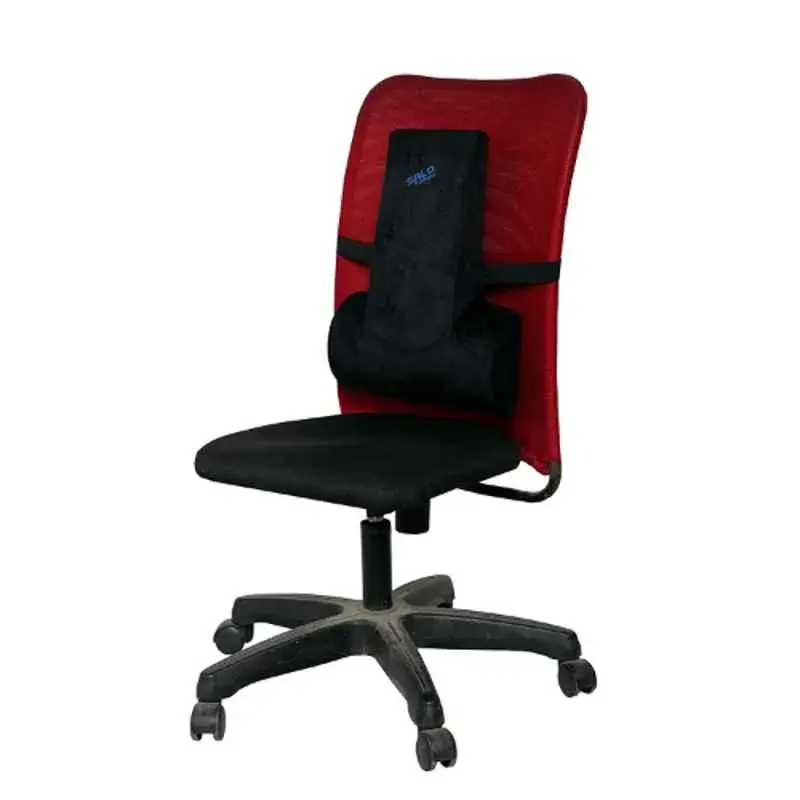
- Adjustable Securing Straps for Precise Height Positioning & Anti-Migration Stability
- Universally Compatible & Portable Across All Seated Environments
Spine Lumbar Back Rest (T-Shaped) Dual-Zone Ergonomic Cushion with Central Spine Groove for Lumbar Lordosis Restoration, Thoracic Paraspinal Support & Comprehensive Seated Spinal Pain Relief
The Spine Lumbar Back Rest (T-Shaped) is an innovative, purpose-engineered ergonomic back support cushion whose distinctive T-shaped profile represents a significant clinical and biomechanical advancement over conventional rectangular and contoured lumbar support cushions. By combining a central vertical lumbar column incorporating a spine-relieving central groove that eliminates direct vertebral pressure with bilateral horizontal thoracic wing extensions that engage the paraspinal musculature at the mid-back level, the T-shaped back rest delivers a genuinely comprehensive, multi-zone posterior spinal support system that addresses the full anatomical complexity of seated spinal postural dysfunction within a single, practically accessible, chair-compatible device.
The Design Innovation: Why the T-Shape Is Clinically Superior
Standard lumbar cushions regardless of their foam quality, cover material, or strap system share a fundamental geometric limitation: their rectangular or contoured profile provides a solid contact surface across the central lumbar region but offers no lateral extension to engage the paraspinal musculature on either side of the vertebral column, and no upward extension to contact the mid-thoracic back. This geometry-imposed limitation means that standard cushions support the lumbar spine in the sagittal (anterior-posterior) plane alone, leaving the frontal and transverse plane stability of the lumbar spine and the entire thoracic spinal column entirely unsupported.
The T-shaped design resolves this limitation through a fundamentally different architectural approach. The vertical arm of the T provides the familiar central lumbar column support filling the lordotic gap between the lower back and the chair back to restore lumbar lordosis while the horizontal crossbar of the T adds bilateral lateral extensions that project outward from the central column at the thoracic level, creating a stable tripod-like posterior support structure that engages the back across a substantially wider contact zone than any rectangular cushion can achieve. This broader, T-shaped contact footprint means that the spinal support provided by the cushion is distributed across both the lumbar and lower thoracic regions simultaneously addressing the multi-level postural support requirements of prolonged seated work in a mechanically more comprehensive and clinically more effective format.
The Central Spine Groove: Eliminating the Primary Source of Back Rest Discomfort
One of the most clinically thoughtful features of the T-shaped back rest is its central vertical spine groove a recessed channel running the full length of the lumbar contact zone that specifically addresses the most common and persistent complaint associated with prolonged use of firm lumbar support cushions: direct pressure on the spinous processes of the lumbar vertebrae. The spinous processes the prominent bony projections of the posterior vertebral arches that are palpable along the midline of the lower back are superficially located with minimal soft tissue overlying them in many individuals, making them particularly vulnerable to the localised pressure that firm lumbar cushions without a central groove generate when the back rests against the cushion surface with the full weight of the upper body behind it.
The patented spine groove eliminates direct pressure on your vertebrae while supporting the surrounding muscles preventing the discomfort that occurs when cushions press directly on your spine the groove creates a pressure-free zone directly over the spinous process column while the foam walls on each side provide firm, even bilateral paraspinal muscle support. This combination zero vertebral pressure plus full bilateral paraspinal support produces a significantly more comfortable, sustainably wearable lumbar support experience than solid-profile cushions, particularly during the extended sitting durations of full working days where the cumulative effect of sustained spinous process pressure generates the midline lower back discomfort that leads many users to remove their lumbar cushion before the end of the working day.
Thoracic Wings: Addressing the Upper Back & Shoulder Girdle Component of Seated Postural Dysfunction
The horizontal thoracic wings of the T-shaped back rest address a clinically underserved component of seated spinal health the mid-thoracic paraspinal muscle fatigue, interscapular pain, and posterior shoulder girdle tension that are as prevalent and functionally significant as lumbar pain in populations spending extended periods at desks, in vehicles, and in sedentary professional roles, but that standard lumbar-only cushions make no attempt to address.
Upper back support targets the thoracic spine T1–T12 this is crucial for users who suffer from tech neck or rounded shoulders upper back support helps stabilise the shoulder blades (scapula), reducing the strain on the trapezius muscles the thoracic wings of the T-shaped back rest provide precisely this scapular stabilisation function, contacting the bilateral paraspinal musculature at the level of the mid-thoracic spine and creating a posterior resistance surface against which the thoracic erector spinae can reduce their sustained isometric activation the sustained activation that generates the progressive thoracic muscle fatigue, rhomboid tension, and interscapular myofascial pain that characterise advanced desk worker thoracic postural syndrome. By reducing the demand for active thoracic postural muscular effort, the thoracic wings of the T-shaped back rest reduce the muscular fatigue accumulation rate throughout the working day extending the period of comfortable, productive, concentration-sustaining seated work before the onset of thoracic postural fatigue and pain.
The Postural Cascade: Why T-Shaped Support Addresses the Whole Problem
The clinical logic of the T-shaped back rest's dual-zone support architecture becomes most evident when the full biomechanical cascade of seated postural dysfunction is considered. The cascade begins with posterior pelvic tilting and lumbar flattening the primary postural failure of unsupported sitting progresses through increasing thoracic kyphosis as the thoracolumbar junction flexes forward under gravity, and culminates in cervical extension and forward head posture as the head compensates to maintain horizontal gaze despite the increasingly kyphotic upper trunk. At each stage of this cascade, a different spinal region is failing its postural function and at each stage, the T-shaped back rest provides the specific support required to interrupt the cascade and maintain the natural spinal alignment: the lumbar column halts the primary postural failure at the lumbar level, and the thoracic wings interrupt the secondary failure at the mid-thoracic level, together preventing the cascade from progressing to its cervicothoracic and cervical consequences.
Research indicates that full-length supports can reduce muscle fatigue in the erector spinae by up to 25% compared to seat-only cushions the paraspinal muscle fatigue reduction achievable through comprehensive posterior spinal support is clinically significant, translating into extended periods of comfortable, pain-free seated work, reduced end-of-day musculoskeletal symptoms, improved sustained concentration and cognitive performance, and reduced overall occupational musculoskeletal health burden across the working population.
Clinical Applications: Conditions Responding to T-Shaped Spinal Support
The Spine Lumbar Back Rest T-Shaped is clinically appropriate across a broad range of spinal musculoskeletal and neurological conditions in which the quality and coverage of seated back support directly influences symptom severity, daily function, and occupational capacity. In lumbar disc herniation and radiculopathy, the lumbar lordosis restoration reduces posterior disc bulging and foraminal compression during seated activities, meaningfully reducing the aggravation of radicular leg pain symptoms that standard unsupported sitting generates. In lumbar spondylosis and facet joint arthropathy, the even pressure distribution of the groove-equipped lumbar column reduces asymmetric facet loading that aggravates arthritic pain during prolonged sitting. In thoracic outlet syndrome and cervicothoracic junction disorders, the thoracic wing support reduces the upper trapezius and scalene muscle activation that poor thoracic posture demands, contributing to reduction of the thoracic outlet compression that perpetuates neurological and vascular symptoms.
For post-operative lumbar and thoracic spine patients returning to seated office work following discectomy, fusion, or decompression procedures, the T-shaped back rest provides comprehensive posterior spinal support that protects the surgical construct from the mechanical stresses of unsupported sitting while accommodating the full range of spinal levels addressed by the surgical procedure a clinical advantage over standard lumbar-only cushions that may not adequately support the thoracic spinal levels involved in multilevel procedures. For wheelchair users with thoracic and lumbar spinal cord injuries or neuromuscular conditions, the T-shaped profile provides the bilateral paraspinal support that maintains upright trunk posture and reduces the lateral trunk collapse that standard wheelchair cushions inadequately prevent in patients with compromised trunk muscle function.
Fitting, Positioning & Practical Usage Guidance
Correct positioning of the T-shaped back rest requires precise height calibration to ensure the lumbar column aligns with the natural lumbar lordotic apex and the thoracic wings engage the mid-thoracic paraspinal region rather than the lower lumbar or upper thoracic levels. The lower edge of the lumbar column should be positioned at the upper sacral level, with the lumbar prominence alignment falling naturally at L3–L4 as the user sits fully back into the cushion. The thoracic wings should contact the paraspinal musculature approximately at the T6–T8 level the mid-thoracic region where erector spinae activation demand is greatest and where lateral wing support delivers the most meaningful reduction in sustained muscular effort.
The adjustable securing straps should be tightened sufficiently to prevent downward migration of the cushion during the forward lean and recline movements of active seated work without creating circumferential strap tension that restricts natural chair back breathing or creates localised strap pressure on the lateral thorax. Regular repositioning checks at intervals throughout the working day ensure that the T-shaped back rest maintains its optimal spinal contact alignment as the user's seated posture naturally drifts over the course of extended work sessions.
Indicated For:
Lumbar disc herniation and radiculopathy aggravated by seated work, lumbar spondylosis and facet joint arthropathy, chronic non-specific lower back pain from office chair inadequacy, thoracic paraspinal fatigue and interscapular pain from upper back unsupported sitting, sciatica and lumbar nerve root irritation during prolonged desk work, forward head posture and rounded shoulder postural dysfunction secondary to thoracic kyphosis, cervicothoracic junction pain from combined postural cascade, post-operative lumbar and thoracic spine return to office work, wheelchair seating trunk support for neurological and neuromuscular conditions, professional and executive prolonged desk and driving work, long-distance car and travel seated lumbar support, and any individual requiring simultaneous lumbar lordosis restoration and thoracic paraspinal support within a single portable, chair-compatible ergonomic seated back support device.
أضف مراجعتك
لن يتم نشر عنوان بريدك الإلكتروني. الحقول المطلوبة مميزة بـ *
الرجاء تسجيل الدخول لكتابة مراجعة!
يبدو أنه لا توجد مراجعات بعد.

M. A. Medical Supports