Walking Aids
Walking Aids: Restoring Mobility, Independence, and Confidence
Walking aids are essential mobility devices designed to provide support, stability, and balance assistance for individuals facing temporary or permanent walking challenges. Whether recovering from surgery, managing age-related mobility decline, rehabilitating from injury, or living with chronic conditions affecting movement, quality walking aids restore independence and confidence while reducing fall risk and promoting safer mobility.
The right walking aid transforms daily life by enabling individuals to move safely around their homes, venture outdoors, maintain social connections, and preserve the dignity and autonomy that independent mobility provides.
Why Walking Aids Matter
Mobility is fundamental to quality of life. The ability to walk independently affects everything from performing daily activities and maintaining personal care to social engagement and mental wellbeing. When walking becomes difficult or unsafe due to weakness, balance issues, pain, or injury, appropriate walking aids bridge the gap between immobility and independence.
Walking aids reduce fall risk—a critical concern especially for elderly individuals where falls can lead to serious injuries, hospitalization, and loss of independence. By providing reliable support, these devices prevent falls and the devastating consequences they can bring.
Types of Walking Aids
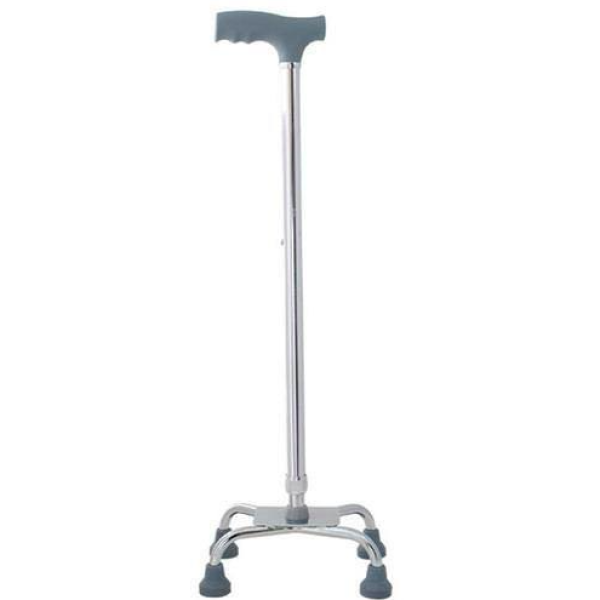
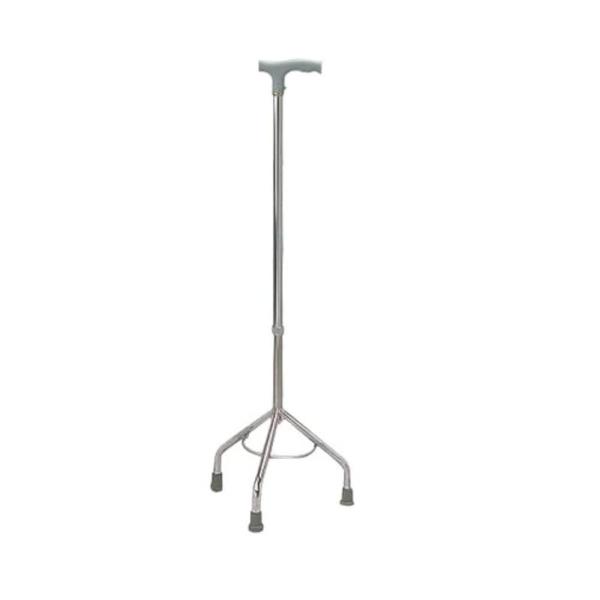
Walking Canes are the simplest mobility aids, providing light support and balance assistance for individuals with mild stability issues or weakness on one side. Standard canes, quad canes with four-point bases for extra stability, and offset canes with ergonomic handles suit different needs and preferences.
Walking Sticks offer similar support to canes but often feature more traditional designs. Adjustable walking sticks, folding travel sticks, and trekking poles for outdoor use provide versatile options for active individuals needing occasional support.
Crutches transfer weight away from injured or weak legs, essential for recovery from lower limb injuries, surgeries, or fractures. Underarm crutches provide maximum support, while forearm crutches (elbow crutches) offer greater mobility and are suitable for long-term use.
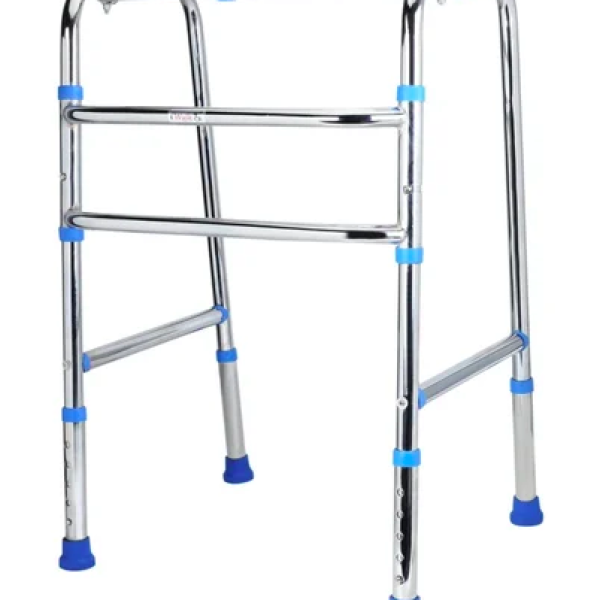
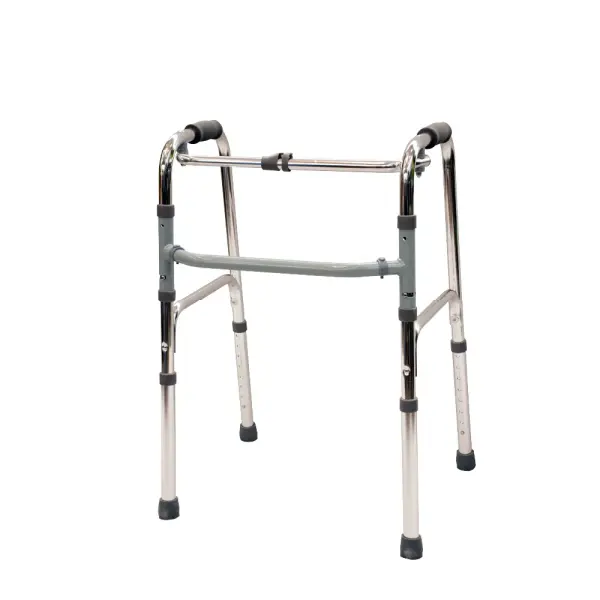
Walkers provide substantial stability through four-point contact with the ground. Standard walkers without wheels require lifting with each step, offering maximum stability. Two-wheeled walkers allow smoother forward movement while maintaining good stability. Rollators (four-wheeled walkers) include wheels, hand brakes, and often seats, ideal for individuals needing frequent rest breaks.
Knee Walkers support individuals with foot, ankle, or lower leg injuries who cannot bear weight on the affected limb. The user kneels on a padded platform while steering with handlebars—more comfortable and faster than crutches for many temporary injuries.
Choosing the Right Walking Aid
Selection depends on several key factors. The degree of support needed ranges from light balance assistance (cane) to substantial weight-bearing support (walker or crutches). Weight-bearing capacity of the affected limb determines whether partial or non-weight-bearing aid is required.
Balance and stability levels influence whether single-point support (cane) or multi-point stability (walker) is appropriate. Upper body strength affects ability to use crutches or lift standard walkers. Living environment considerations include indoor space constraints, outdoor terrain, and stair navigation needs.
Duration of use—temporary recovery versus long-term support—also influences the best choice, as does lifestyle and activity level.
Key Features in Quality Walking Aids
Height Adjustability ensures proper fit for effective support and comfortable posture. Walking aids should position handles at wrist height when arms hang naturally at sides, with elbows slightly bent during use.
Ergonomic Handles reduce hand and wrist strain during extended use. Padded, contoured grips accommodate arthritis or grip weakness while providing secure hold.
Sturdy Construction from lightweight yet durable materials like aluminum provides necessary support without excessive weight. Quality aids support users safely while remaining manageable to lift and maneuver.
Slip-Resistant Tips with rubber or silicone provide traction on various surfaces, preventing dangerous slipping. Replaceable tips ensure continued safety as they wear.
Foldability in canes, crutches, and some walkers enables compact storage and transport—important for individuals who drive or travel.
Walkers: Enhanced Mobility Solutions
Standard Walkers offer maximum stability for individuals with significant balance issues or weakness. The four stable legs provide secure support, though users must lift the walker with each step, requiring adequate upper body strength.
Two-Wheeled Walkers feature front wheels for easier forward movement while rear legs provide braking stability. This design suits users who need substantial support but find lifting standard walkers difficult or tiring.
Rollators represent the most advanced walker design with four wheels, hand-operated brakes, and typically include padded seats with storage baskets underneath. These versatile aids support indoor and outdoor mobility while providing rest opportunities during longer outings. Rollators are ideal for individuals who tire easily but maintain reasonable balance and strength.
Canes: Simple, Effective Support
Single-Point Canes provide basic balance support and are easiest to use. Adjustable aluminum canes with comfortable handles suit most users needing light assistance.
Quad Canes feature four-point bases that don't require lifting between steps, offering greater stability than single-point canes while remaining more maneuverable than walkers. Excellent for individuals with moderate balance concerns or one-sided weakness.
Offset Canes position the shaft slightly forward of the handle, aligning weight more directly over the shaft for better support and reduced wrist strain.
Crutches: Weight-Bearing Alternatives
Underarm Crutches provide maximum support for non-weight-bearing or partial weight-bearing situations. Proper fit and technique are crucial to prevent underarm nerve damage and ensure effective support.
Forearm Crutches attach at the forearm rather than underarm, offering better mobility and being more suitable for long-term use. Popular in Europe and increasingly common worldwide, these crutches provide excellent support with less upper body fatigue.
Benefits of Using Appropriate Walking Aids
Walking aids provide multifaceted benefits including reduced fall risk through improved stability, decreased pain by reducing weight and stress on injured or arthritic joints, increased confidence enabling more activity and social engagement, maintained independence in daily activities, faster recovery from injuries or surgeries through safe early mobilization, and improved posture by preventing compensatory movement patterns.
Walking Aids for Specific Conditions
Post-Surgical Recovery often requires temporary support while healing progresses. Hip or knee replacement patients typically progress from walkers to canes as strength returns.
Arthritis management benefits from walking aids that reduce joint stress. Ergonomic handles accommodate arthritic hands while the support reduces load on painful joints.
Stroke Recovery frequently involves one-sided weakness where quad canes or walkers provide needed stability during rehabilitation.
Elderly Mobility Support addresses age-related balance decline, muscle weakness, and fear of falling. Rollators are particularly popular for seniors, offering support, seating, and shopping assistance.
Injury Rehabilitation from fractures, sprains, or soft tissue injuries requires appropriate non-weight-bearing or partial weight-bearing support during healing.
Proper Use and Safety
Correct walking aid use maximizes safety and effectiveness. Proper height adjustment places handles at wrist level for optimal posture and support. Regular inspection of tips, wheels, and brakes ensures continued safe function. Learning proper gait patterns with each device prevents compensatory movements that could cause additional problems.
Physical therapists provide valuable training in walking aid use, teaching proper techniques, safe stair navigation, and progression strategies as recovery advances.
Maintaining Walking Aids
Regular maintenance includes checking and replacing worn rubber tips, ensuring adjustment mechanisms remain secure, cleaning handles and surfaces regularly, lubricating moving parts on rollators and folding mechanisms, and inspecting for cracks, bends, or damage that could compromise safety.
Indoor vs. Outdoor Considerations
Indoor walking aids often prioritize maneuverability in tight spaces, while outdoor aids need larger wheels for uneven terrain, weather-resistant materials, and sometimes all-terrain tips for varied surfaces. Many individuals benefit from having different aids for different environments.
Travel-Friendly Options
Folding canes, collapsible crutches, and lightweight rollators accommodate travelers needing mobility support away from home. Compact designs fit in vehicles, overhead bins, or luggage while providing needed support at destinations.
Accessories and Enhancements
Walking aid accessories include replacement tips in various styles for different surfaces, pouches and baskets for carrying items hands-free, lights for nighttime visibility, ice tips for winter safety, and padded handle covers for enhanced comfort.
Insurance and Healthcare Coverage
Many insurance plans and healthcare systems cover prescribed walking aids, recognizing them as medically necessary equipment. Healthcare providers can prescribe specific aids based on medical needs, potentially making them eligible for coverage or reimbursement.
Professional Assessment
Physical therapists, occupational therapists, and healthcare providers offer professional assessments to determine the most appropriate walking aid for individual circumstances. Professional fitting ensures proper height adjustment and usage training, maximizing safety and effectiveness.
Dignity and Independence
Beyond physical support, walking aids preserve dignity by enabling independent mobility. The psychological benefits of maintaining autonomy, continuing daily routines, and avoiding dependence on others for basic movement are profound. Quality walking aids don't just support the body—they support overall wellbeing and quality of life.
Whether recovering from temporary setbacks or managing long-term mobility challenges, the right walking aid makes the difference between isolation and independence, risk and safety, limitation and possibility. Invest in appropriate mobility support and reclaim the freedom that safe, confident movement provides.
Showing 1 - 4 of 4 products