Shopping cart

Tags

Price

On Sale

Size

Catheters

Urinary Catheters: Essential Medical Devices for Bladder Management

Urinary catheters are vital medical devices used to drain urine from the bladder when normal urination is not possible or advisable. Whether for post-surgical recovery, chronic medical conditions, or temporary bladder management needs, quality catheters ensure patient comfort, hygiene, and health while preventing complications associated with urinary retention.

Understanding the different types of catheters and their applications helps patients, caregivers, and healthcare providers select the most appropriate solution for individual medical situations.

Why Urinary Catheterization is Necessary

Catheterization becomes medically necessary in numerous situations. Post-operative patients often require temporary catheterization while recovering from surgery, particularly after procedures involving the pelvis, abdomen, or urinary tract. Patients with urinary retention due to enlarged prostate, strictures, or neurological conditions may need catheter support to empty the bladder completely.

Individuals with spinal cord injuries, multiple sclerosis, or other conditions affecting bladder control rely on catheterization for effective bladder management. Accurate urine output monitoring in critically ill patients also requires catheterization.

Types of Urinary Catheters

Foley Catheters (Indwelling Catheters) remain in the bladder for extended periods, held in place by a small inflatable balloon. These are commonly used for post-surgical care, chronic conditions, and situations requiring continuous bladder drainage. Foley catheters connect to collection bags that can be worn on the leg or hung beside the bed.

Intermittent Catheters are inserted temporarily to drain urine and then immediately removed. Clean intermittent catheterization (CIC) allows patients to manage their bladder independently several times daily without leaving a catheter in place. This method reduces infection risk compared to indwelling catheters and preserves greater independence.

Straight Catheters are simple, single-use tubes for one-time bladder emptying. Often used in medical offices or hospitals for diagnostic procedures or immediate relief of urinary retention.

Coudé Catheters feature a curved tip designed to navigate past obstructions or anatomical challenges, particularly useful for men with enlarged prostates or urethral strictures.

External Catheters (Condom Catheters) fit externally over the penis like a condom, directing urine into a collection bag without entering the body. These reduce infection risks but are only suitable for males with incontinence who can empty their bladders naturally.

Catheter Materials

Latex Catheters are cost-effective and widely used for short-term catheterization. However, latex allergies are common, making them unsuitable for sensitive patients.

Silicone Catheters are hypoallergenic, biocompatible, and suitable for longer-term use. They cause less tissue irritation than latex and are ideal for patients with allergies or sensitivities.

PVC Catheters offer economical options for single-use intermittent catheterization, providing adequate function for temporary bladder management.

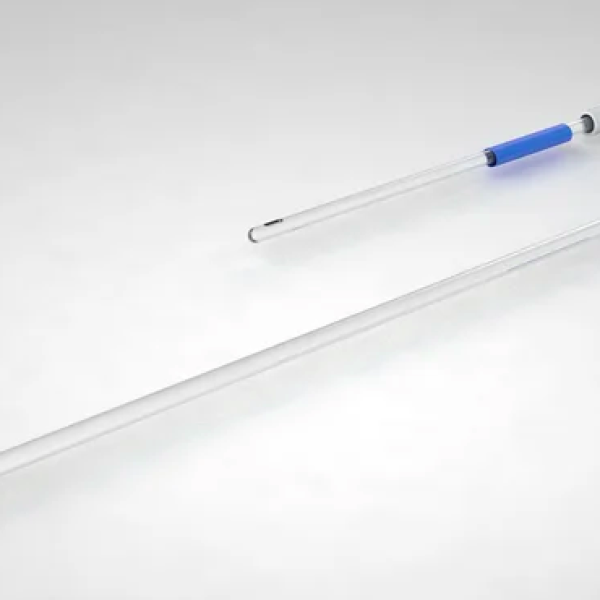
Hydrophilic-Coated Catheters feature special coatings that become slippery when activated with water, reducing friction during insertion and withdrawal. These advanced catheters significantly improve comfort, especially for patients performing self-catheterization multiple times daily.

Catheter Sizes (French Scale)

Catheters are measured in French (Fr) sizes, with each French unit equaling approximately 0.33mm in diameter. Common sizes range from 8 Fr (pediatric) to 24 Fr (adult). Proper sizing is crucial—too small may not drain effectively, while too large can cause urethral trauma.

Healthcare providers determine appropriate catheter size based on patient age, anatomy, urine characteristics, and clinical needs. Most adult patients use catheters between 12 Fr and 18 Fr.

Key Features to Consider

When selecting urinary catheters, important factors include sterility (all catheters must be sterile to prevent urinary tract infections), appropriate material for intended duration of use, correct size for patient anatomy, balloon capacity for Foley catheters (typically 5-10ml for adults), tip design appropriate for anatomical considerations, and coating or lubrication for comfortable insertion.

Catheterization Supplies

Complete catheterization requires more than just the catheter itself. Essential supplies include sterile gloves, antiseptic solution or wipes, water-soluble lubricant, sterile drapes, collection bags (leg bags for mobility, night bags for bedside use), catheter securing devices, and proper disposal bags for used materials.

Sterile Technique is Critical

Urinary catheterization must always be performed using sterile technique to prevent introducing bacteria into the bladder. Urinary tract infections (UTIs) are the most common catheter-related complication. Proper hand hygiene, sterile equipment, gentle insertion technique, and appropriate catheter care all reduce infection risk significantly.

Self-Catheterization (Clean Intermittent Catheterization)

Many patients successfully perform self-catheterization at home after receiving proper training from healthcare providers. This technique offers independence and improved quality of life while reducing infection risks associated with indwelling catheters. Patients typically catheterize 4-6 times daily based on individual needs and medical guidance.

Self-catheterization requires practice and confidence initially, but most patients master the technique quickly. Hydrophilic-coated catheters make the process more comfortable and are particularly popular for intermittent self-catheterization.

Catheter Care and Maintenance

For indwelling Foley catheters, proper care includes keeping the collection bag below bladder level to prevent backflow, ensuring tubing remains free of kinks, cleaning the catheter insertion site daily with soap and water, drinking adequate fluids to maintain urine flow, and monitoring for signs of infection such as fever, cloudy urine, or unusual odor.

Regular bag emptying prevents overfilling and reduces infection risk. Healthcare providers typically recommend changing indwelling catheters every 2-4 weeks, though timing depends on catheter type and individual circumstances.

When to Use Different Catheter Types

Short-term needs (less than 2 weeks) such as post-surgical recovery typically use latex or silicone Foley catheters. Long-term catheterization (weeks to months) benefits from 100% silicone catheters that minimize tissue irritation. Intermittent needs throughout the day are best managed with single-use intermittent catheters, particularly hydrophilic options for comfort.

Male incontinence without retention may be managed with external catheters to avoid internal catheterization risks.

Medical Conditions Requiring Catheters

Urinary catheters support management of numerous conditions including benign prostatic hyperplasia (BPH), urinary retention from various causes, neurogenic bladder from spinal injuries or diseases, post-operative care after pelvic or urological surgery, monitoring critically ill patients, bladder outlet obstruction, and severe mobility limitations preventing bathroom access.

Benefits of Modern Catheter Technology

Today's catheters represent significant advances over earlier designs. Hydrophilic coatings dramatically improve insertion comfort, antimicrobial coatings help prevent infections, pre-lubricated ready-to-use designs increase convenience, compact packaging enables discreet carrying, and closed-system catheters reduce contamination risk during intermittent catheterization.

Choosing the Right Catheter

Selection depends on duration of use (temporary vs. long-term), patient ability to self-catheterize, anatomical considerations, allergy concerns, lifestyle and mobility needs, insurance coverage and cost, and healthcare provider recommendations based on medical condition.

Consultation with urologists, nurses, or continence specialists ensures appropriate catheter selection tailored to individual medical needs and lifestyle factors.

Quality and Safety Standards

Medical-grade urinary catheters must meet strict regulatory standards for sterility, biocompatibility, and performance. Look for products from reputable manufacturers that comply with international medical device standards. Quality catheters reduce complication risks and improve patient outcomes.

Improving Quality of Life

While catheterization addresses medical necessity, modern catheter options increasingly focus on maintaining quality of life. Discreet products, comfortable materials, and user-friendly designs help patients manage bladder conditions while maintaining dignity, independence, and active lifestyles.

Whether managing temporary post-surgical needs or long-term chronic conditions, quality urinary catheters provide safe, effective bladder management that supports health and wellbeing. Proper selection, technique, and care ensure optimal outcomes while minimizing complications.

Showing 1 - 1 of 1 products

Hydrophilic Urinary Catheter
Hot
Subscribe our NewsletterSubscribe our NewsletterSubscribe our NewsletterSubscribe our Newsletter
Subscribe our Newsletter

Subscribe our Newsletter

Your experience on this site will be improved by allowing cookies Cookie Policy