

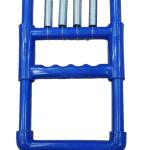
Finger Exerciser
Key Benefits:
- Builds finger strength progressively
- Improves finger independence and coordination
- Enhances grip strength and hand function
- Restores mobility after injury or surgery
- Reduces arthritis stiffness and pain
- Increases finger endurance and stamina
- Prevents age-related hand weakness
- Portable for exercise anywhere
- Adjustable resistance for all levels
- Suitable for all ages
Finger Exerciser: Build Strength, Restore Function, Enhance Performance
The Finger Exerciser is a versatile hand therapy and strengthening tool designed to improve finger strength, dexterity, and coordination through targeted resistance training. Whether you're recovering from hand injury or surgery, managing arthritis, rehabilitating from stroke, or simply looking to enhance grip strength for sports or musical performance, this compact device provides progressive resistance training that builds finger and hand capabilities effectively.
Why Finger Exercise Matters
Our hands and fingers perform countless essential tasks daily—from basic self-care activities to complex professional work and recreational pursuits. When finger strength, flexibility, or coordination is compromised by injury, surgery, neurological conditions, or age-related decline, even simple activities become challenging or impossible.
Targeted finger exercises rebuild strength, restore range of motion, improve coordination, reduce stiffness and pain, and prevent further deterioration. Regular finger exercise maintains hand function and independence throughout life.
Individual Finger Resistance Training
Unlike simple squeeze balls that work the hand as a unit, finger exercisers feature individual buttons or pistons for each finger. This design allows isolated finger strengthening—critical for addressing weakness in specific fingers, correcting imbalances between fingers, and building the independent finger control needed for many activities.
Each finger presses against adjustable resistance, creating targeted strengthening that transfers directly to real-world hand function. This specificity makes finger exercisers superior tools for rehabilitation and performance enhancement.
Adjustable Resistance Levels
Quality finger exercisers offer adjustable resistance for each finger individually, allowing customized training that matches current strength levels and progressively increases as fingers grow stronger. Light resistance suits early rehabilitation or arthritic hands, while heavier resistance challenges athletes, musicians, and those in advanced recovery stages.
The ability to set different resistances for different fingers addresses the natural strength variations between fingers and allows balanced development across the entire hand.
Compact and Portable Design
The palm-sized design fits easily in pockets, bags, or desk drawers, enabling exercise anywhere—at home, office, during commutes, or while traveling. This portability supports consistent daily exercise routines essential for building strength and maintaining therapeutic gains.
The self-contained design requires no setup, power, or additional equipment. Simply pick it up and begin exercising whenever convenient throughout the day.
Ergonomic Construction
Contoured to fit comfortably in the palm, finger exercisers position fingers naturally for effective, comfortable exercise. Quality models feature smooth button action that doesn't pinch or catch, comfortable materials that don't irritate skin during repeated use, and secure grip that prevents slipping during exercise.
Multiple Finger Configurations
Most finger exercisers provide four or five individual buttons corresponding to fingers, though some specialized models focus on specific finger combinations. The standard configuration allows comprehensive hand training that develops balanced strength and coordination across all fingers.
Therapeutic Applications
Post-Surgery Rehabilitation following procedures on hands, fingers, wrists, or forearms requires gradual strength rebuilding. Finger exercisers provide controlled, progressive resistance that safely restores function without overloading healing tissues.
Stroke Recovery often involves hand and finger weakness or paralysis. Repetitive finger exercises with appropriate resistance help retrain neural pathways, rebuild strength, and restore functional hand use during rehabilitation.
Arthritis Management benefits from gentle finger movement that maintains joint mobility, reduces stiffness, and builds supportive muscle strength. Light resistance exercise can decrease pain and improve hand function in arthritic conditions.
Tendon Injury Rehabilitation including trigger finger, tendonitis, or post-surgical tendon repairs requires careful strengthening. Finger exercisers allow gradual loading that promotes healing while restoring strength and function.
Carpal Tunnel Syndrome rehabilitation and prevention programs often include finger strengthening to support optimal hand biomechanics and reduce symptom recurrence.
Performance Enhancement Applications
Musicians particularly guitarists, pianists, and string instrument players use finger exercisers to build the finger strength, independence, and endurance required for complex techniques and extended playing sessions. Regular training improves finger speed, accuracy, and stamina.
Athletes in sports requiring grip strength—rock climbing, martial arts, golf, tennis, baseball—use finger exercisers for sport-specific strength training that enhances performance and reduces injury risk.
Gamers and computer users prevent and address repetitive strain issues while building the finger endurance needed for extended gaming or typing sessions.
Medical Professionals including surgeons and dentists maintain the finger strength and dexterity their work demands through regular exercise.
Ideal For:
- Post-surgical hand rehabilitation
- Stroke recovery therapy
- Arthritis pain management
- Carpal tunnel syndrome rehabilitation
- Tendon injury recovery
- Musicians building finger strength
- Athletes enhancing grip performance
- Rock climbers training finger strength
- Office workers preventing repetitive strain
- Elderly maintaining hand function
- Anyone wanting stronger hands
Exercise Techniques
Individual Finger Presses isolate each finger, pressing the corresponding button through full range of motion. This fundamental exercise builds baseline strength in each finger independently.
Multiple Finger Combinations involve pressing various finger combinations simultaneously, developing coordination and the functional patterns used in daily activities and performance tasks.
Sustained Holds where fingers maintain pressure for several seconds build endurance and muscular control essential for activities requiring sustained grip.
Speed Training with rapid repetitive presses develops the quick finger movements needed for musical performance, typing, or sports activities.
Progressive Overload involves gradually increasing resistance levels as strength improves, ensuring continued development rather than plateauing.
Building a Routine
Effective finger exercise typically involves 2-3 sessions daily, with 10-20 repetitions per exercise depending on goals and current capacity. Rehabilitation programs prescribed by therapists provide specific protocols tailored to individual conditions and recovery stages.
Rest days allow tissue adaptation and prevent overuse—balance between challenging muscles and allowing recovery optimizes results.
Prevents Age-Related Decline
Hand and finger strength naturally decline with age, potentially affecting independence in daily activities. Regular finger exercise maintains strength, mobility, and function throughout aging, preserving the hand capability needed for self-care, hobbies, and quality of life.
Complements Other Hand Therapy
Finger exercisers work synergistically with other hand rehabilitation tools including therapy putty for general strengthening, hand grippers for overall grip power, and stretching exercises for flexibility. Comprehensive programs addressing multiple aspects of hand function optimize outcomes.
Safe and Low-Impact
Controlled resistance training with finger exercisers is low-impact and safe when used appropriately. The gradual, controlled movement doesn't stress joints excessively, making this suitable even for conditions like arthritis where high-impact activities are contraindicated.
Visible Progress
Unlike some therapeutic activities, finger exercise progress is readily apparent. Users notice increased ease pressing buttons, ability to use higher resistance levels, reduced pain during daily activities, and improved performance in work or recreational pursuits—tangible results that motivate continued practice.
Affordable Investment
Finger exercisers represent minimal cost compared to ongoing therapy sessions or lost function from untreated hand weakness. This one-time purchase provides unlimited use for maintaining and building hand strength indefinitely.
Professional Recommendation
Physical therapists, occupational therapists, and hand specialists frequently recommend finger exercisers as home exercise tools that extend therapy benefits between sessions and maintain gains after formal therapy concludes. The professional endorsement reflects proven effectiveness for various conditions and goals.
Quality Construction
Durable materials withstand repeated daily use over months and years. Quality finger exercisers feature smooth, consistent button action, secure resistance adjustment mechanisms, comfortable non-slip surfaces, and construction that maintains performance through extended use.
Easy to Use
No learning curve or complex instructions—simply position the exerciser in your palm and press the buttons. The intuitive design makes it accessible for all ages and abilities, from children in hand therapy to elderly users maintaining function.
Motivating and Engaging
The immediate tactile feedback and measurable resistance makes finger exercise engaging rather than tedious. Many users incorporate exercise into other activities—watching television, phone calls, or waiting periods—making it easy to accumulate beneficial exercise time throughout the day.
What's Included:
Standard finger exerciser packages typically include the main exerciser unit with individual finger buttons, adjustable resistance mechanisms, comfortable grip surface, and usage instructions with exercise examples. Some models include carrying cases for protection and portability.
Complementary Hand Health Practices
Maximize hand health by combining finger exercise with proper ergonomics during daily activities, regular stretching to maintain flexibility, adequate rest between demanding tasks, and attention to early warning signs of strain or injury.
Long-Term Hand Health
Investing in finger strength isn't just about immediate rehabilitation or performance—it's about maintaining hand function for life. Strong, coordinated fingers support independence, enable continued pursuit of hobbies and work, and preserve quality of life as we age.
Build stronger, more capable hands with a finger exerciser—because healthy, functional fingers are essential for virtually everything we do, from self-care basics to professional excellence and recreational enjoyment.
Add your review
Your email address will not be published. Required fields are marked *
Please login to write review!
Looks like there are no reviews yet.

M. A. Medical Supports