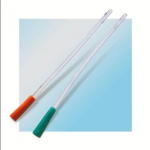
How to Use a Hydrophilic Urinary Catheter: A Step-by-Step Guide
How to Use a Hydrophilic Urinary Catheter: A Step-by-Step Guide
Learning to use a hydrophilic catheter for the first time can feel overwhelming, but the process becomes quick and routine with practice. This guide walks through the general steps involved in intermittent self-catheterization using a hydrophilic catheter, along with tips for comfort, hygiene, and confidence.
Always follow the specific instructions provided by your doctor, urologist, or continence nurse, as individual techniques can vary based on your anatomy and medical needs. This guide is for general educational purposes only.
Before You Begin: What You'll Need
- A hydrophilic catheter (pre-lubricated or water-activation style)
- Water or saline (if your catheter requires manual activation)
- Hand soap or antibacterial hand sanitizer
- A clean towel or wipes
- A collection container or toilet, if the catheter doesn't have a built-in drainage bag
- A mirror (optional, helpful for some female users learning the technique)
Step 1: Wash Your Hands
Thoroughly wash your hands with soap and water for at least 20 seconds, or use an antibacterial hand sanitizer if soap and water aren't available. Clean hands are one of the most important steps in preventing urinary tract infections (UTIs).
Step 2: Clean the Genital Area
Gently clean the area around the urethral opening using a wipe, warm water, or mild soap, wiping from front to back (especially important for female users) to avoid introducing bacteria near the urethral opening.
Step 3: Prepare the Catheter
- If using a ready-to-use catheter: The saline solution is already in the package. Simply open the packaging as directed activation happens automatically as the catheter is withdrawn through the internal sponge or reservoir.
- If using a water-activation catheter: Add the recommended amount of water or saline into the packaging and wait 15–30 seconds for the coating to become fully lubricated before removing the catheter.
Avoid touching the catheter shaft directly with your fingers if your device is a "no-touch" or closed system most packaging is designed with a grip area specifically for this purpose.
Step 4: Get Into a Comfortable Position
- Female users often sit on the toilet, stand with one foot elevated, or lie down, depending on comfort and mobility.
- Male users typically stand or sit, holding the penis at a slight upward angle to help straighten the urethra for smoother insertion.
Choose whatever position allows you to see or feel the urethral opening clearly and comfortably.
Step 5: Insert the Catheter
Gently and slowly insert the catheter into the urethral opening. Insert until urine begins to flow, then advance it slightly further (about an inch) to ensure the catheter tip is fully within the bladder.
- Move slowly never force the catheter if you feel resistance. Pause, take a breath, and try again with gentle, steady pressure.
- If persistent resistance occurs, stop and contact your healthcare provider.
Step 6: Let the Bladder Drain
Once urine starts flowing, hold the catheter in place and allow the bladder to empty fully. This usually takes a few minutes. Some catheters have an internal collection bag; others drain directly into a container or toilet.
Applying gentle pressure on the lower abdomen can help ensure the bladder empties completely.
Step 7: Remove the Catheter Slowly
Once the flow of urine stops, slowly withdraw the catheter. Pausing briefly during removal can help catch any last residual urine, especially for male users where urine can pool slightly further along the urethra.
Step 8: Dispose and Clean Up
Hydrophilic catheters are single-use and should be disposed of properly after each use check local guidelines, as some areas have specific disposal instructions for medical waste. Wash your hands again after disposal.
Tips for a Smoother Experience
- Stay relaxed. Tension in the pelvic muscles can make insertion more difficult. Slow, steady breathing can help.
- Stick to a schedule. Catheterizing at consistent times throughout the day (as recommended by your provider) helps prevent overfilling and supports bladder health.
- Keep supplies on hand. Carry a spare catheter, wipes, and hand sanitizer when away from home so you're never caught without what you need.
- Track any changes. Note things like difficulty inserting, unusual pain, or changes in urine color or odor, and report them to your healthcare provider, as these can be early signs of infection or other issues.
- Practice makes it easier. Like any new skill, catheterization typically becomes faster and more comfortable with repetition.
When to Contact Your Healthcare Provider
Reach out to your doctor or continence nurse if you experience:
- Persistent difficulty inserting the catheter
- Blood in the urine
- Fever, chills, or flank pain
- Cloudy, foul-smelling urine
- Ongoing discomfort or pain during catheterization
These can be signs of infection or other complications that may need medical attention.
Final Thoughts
Hydrophilic catheters are designed to make self-catheterization as smooth and comfortable as possible, but technique still plays a big role in the overall experience. With a bit of practice and the right routine, most people find the process becomes quick, private, and manageable as part of daily life.
Latest Posts