Hydrophilic vs. Uncoated Catheters: Which One Is Right for You?
Hydrophilic vs. Uncoated Catheters: Which One Is Right for You?
If you're new to intermittent catheterisation or considering switching from your current catheter one of the first decisions you'll face is choosing between a hydrophilic catheter and an uncoated (standard) catheter. Both are effective at emptying the bladder, but they differ significantly in comfort, convenience, and cost. Here's a detailed side-by-side comparison to help you understand the differences.
The Basics: What's the Difference?
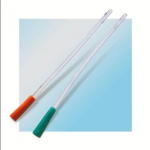
Uncoated catheters are typically made of PVC or red rubber and require a separate water-based lubricant to be applied manually before insertion. They're often the most basic and budget-friendly option.
Hydrophilic catheters have a special coating that becomes slippery when activated with water or saline, either through a built-in reservoir or a manual water-activation step. No separate lubricant is needed.
Comfort and Friction
This is where the two options diverge the most.
- Hydrophilic catheters offer a smooth, low-friction surface throughout the entire catheterization process, since the coating stays activated and slippery from insertion to removal.
- Uncoated catheters rely on manually applied lubricant, which can wear thin or unevenly distribute during insertion, sometimes leading to more friction especially with longer catheters or if reapplication is needed mid-use.
Many users who switch from uncoated to hydrophilic catheters report a noticeable improvement in day-to-day comfort, particularly with frequent use.
Convenience
- Hydrophilic catheters, especially the ready-to-use type, are extremely convenient. Everything needed is built into the packaging, making them easy to use on the go, at work, or while traveling.
- Uncoated catheters require carrying a separate tube of lubricant, which adds a step to the process and means an extra item to remember and replace.
Hygiene and Infection Risk
- Hydrophilic catheters are often designed as closed or "no-touch" systems, reducing the need to directly handle the catheter shaft and lowering the risk of introducing bacteria.
- With uncoated catheters, the lubrication step typically involves more direct handling, which combined with the extra step of opening and applying lubricant can introduce more opportunities for contamination if hygiene isn't carefully maintained.
Some research suggests hydrophilic catheters may be associated with a lower risk of urinary tract infections in certain populations, particularly those who catheterize frequently, though individual risk depends on many factors, including technique and overall health.
Cost
This is the biggest advantage for uncoated catheters.
- Uncoated catheters are generally less expensive per unit, making them an appealing option for people on a tight budget or without full insurance coverage.
- Hydrophilic catheters cost more per catheter due to the coating technology and, in some cases, built-in saline packaging though many insurance plans and Medicare cover hydrophilic catheters with proper documentation, which can offset the cost difference significantly.
Portability
- Hydrophilic catheters, particularly ready-to-use versions, are more portable since they don't require a separate lubricant bottle or a sink for water activation.
- Uncoated catheters require carrying lubricant separately, which can be less convenient when away from home.
Who Might Prefer Uncoated Catheters?
- People catheterizing infrequently, where comfort differences are less noticeable
- Those without insurance coverage for hydrophilic options who need the most budget-friendly choice
- People who are already comfortable and experienced with manual lubrication and haven't had issues with friction or infections
Who Might Prefer Hydrophilic Catheters?
- People who catheterize multiple times per day, where comfort and convenience matter most
- Those prone to recurrent UTIs, who may benefit from the closed-system, no-touch design
- People who travel frequently or need a portable, all-in-one solution
- Anyone experiencing discomfort, friction, or urethral irritation with uncoated catheters
Making the Switch
If you currently use uncoated catheters and are curious about trying a hydrophilic option, talk to your doctor or continence nurse. Insurance coverage should also be checked in advance, since coverage rules vary by plan and region.
A Note on Medical Guidance
The right catheter type depends on individual anatomy, catheterization frequency, medical history, and personal comfort. This article is intended for general educational purposes and isn't a substitute for personalized medical advice always consult your healthcare provider before switching catheter types.
Final Thoughts
Both hydrophilic and uncoated catheters can effectively manage bladder emptying, but they serve different needs. Uncoated catheters offer a lower-cost, straightforward option, while hydrophilic catheters provide enhanced comfort, hygiene, and convenience particularly valuable for frequent users. The best choice ultimately comes down to your lifestyle, budget, insurance coverage, and what feels most comfortable for your body.
Latest Posts