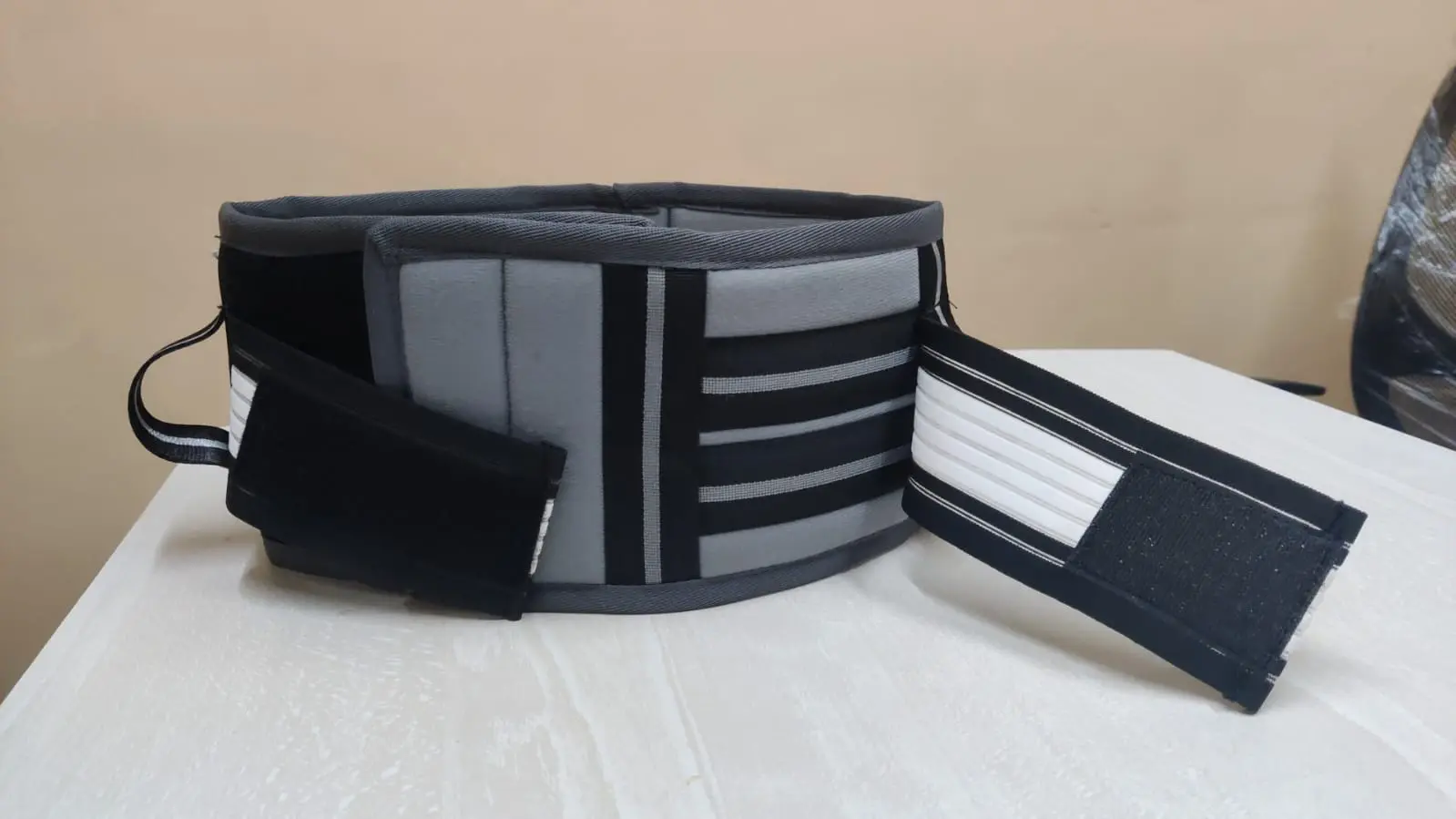
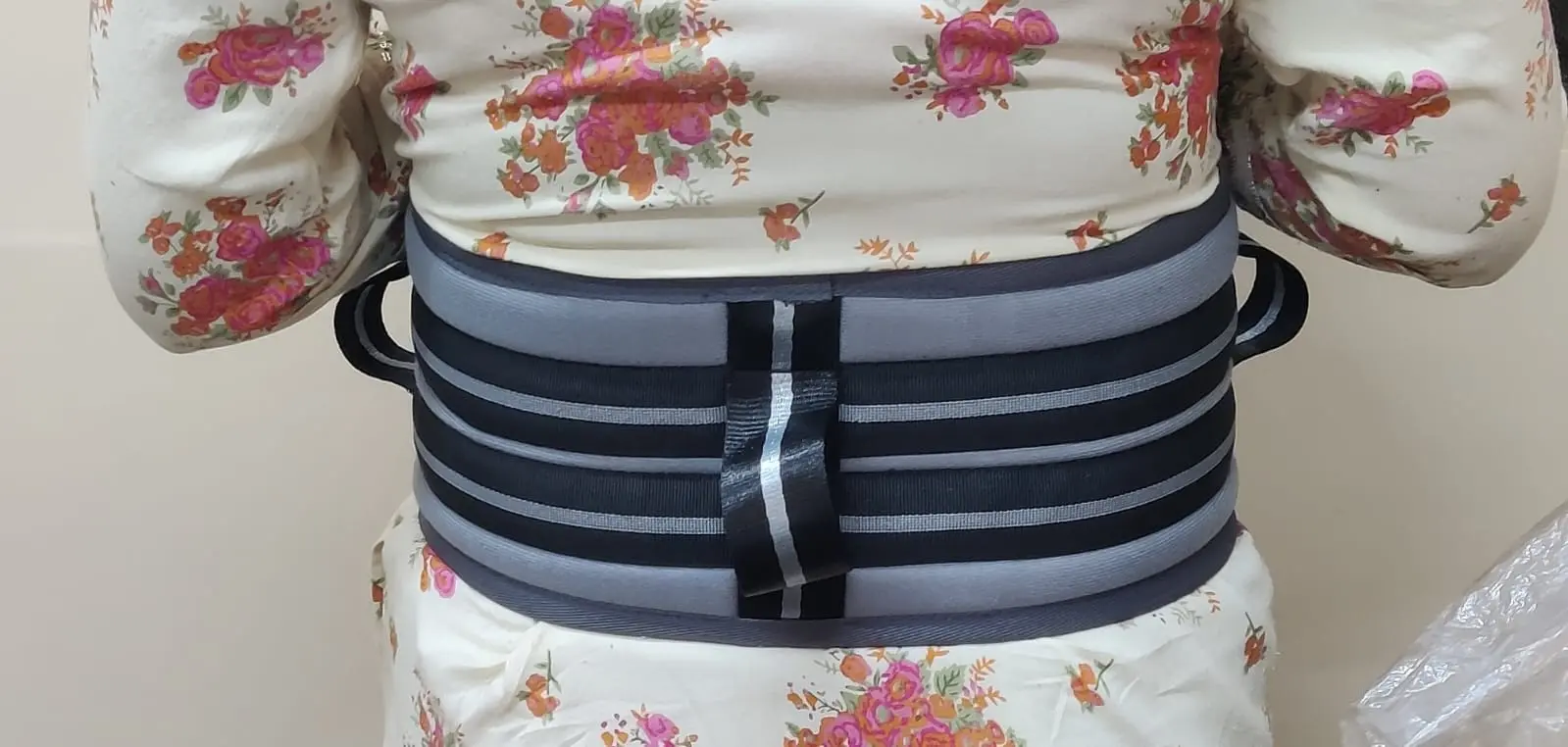
Patient Transfer Belt: Essential Safety Equipment for Caregiver Support
The Patient Transfer Belt (also known as a gait belt or walking belt) is an indispensable caregiving tool designed to facilitate safe patient transfers and mobility assistance. Whether helping elderly loved ones at home, supporting post-surgical recovery, or providing professional care in medical facilities, this durable belt enables caregivers to assist patients safely during standing, walking, and transferring activities while reducing injury risk for both patient and caregiver.
Critical Safety Tool for Patient Mobility
Patient transfers represent one of the highest injury risks in caregiving—both for patients who may fall and caregivers who strain their backs lifting improperly. The transfer belt addresses these risks by providing secure, ergonomic grip points that enable proper body mechanics, distributed support that reduces patient fall risk, leverage that makes lifting and supporting easier, and confidence for both patient and caregiver during mobility activities.
This simple yet essential device transforms dangerous, awkward lifting situations into controlled, safer transfers.
Durable, Heavy-Duty Construction
Quality patient transfer belts feature reinforced woven materials (typically cotton canvas or nylon webbing) that support substantial weight without stretching or tearing, withstand daily use over extended periods, maintain integrity through repeated washing, and resist fraying at edges and stress points.
The robust construction ensures the belt remains reliable when you need it most—during actual patient support.
Comfortable Patient Wear
While strength is essential, patient comfort matters significantly. The transfer belt features 2-inch width that distributes pressure comfortably around the torso, soft materials that don't irritate skin through clothing, smooth edges preventing chafing or discomfort, and appropriate stiffness—firm enough for support yet flexible enough to contour to the body.
Comfortable belts mean patients tolerate wearing them during necessary transfers without resistance.
Secure, Easy-Adjust Buckle
The metal or heavy-duty plastic buckle provides quick size adjustment to fit different patients, secure closure that won't slip during transfers, easy release after transfer completion, and durability through thousands of buckle/unbuckle cycles.
Most belts adjust to fit waist sizes from approximately 28 inches to 60 inches, accommodating a wide range of patient body types.
Multiple Applications
Bed-to-Chair Transfers use the belt to safely assist patients from lying to sitting to standing positions and guide them to chairs or wheelchairs.
Walking Support provides secure holding points while patients practice walking during rehabilitation or regain mobility after injury or surgery.
Toilet Transfers enable safer bathroom assistance—one of the most common and risky daily transfer situations.
Physical Therapy uses gait belts as standard equipment during mobility training and rehabilitation exercises.
Fall Prevention offers something secure to grasp if patients become unsteady, potentially preventing falls.
Proper Usage Techniques
Effective transfer belt use requires proper technique. Position the belt snugly around the patient's waist (over clothing, not bare skin), with the buckle slightly off-center in front. Ensure the belt is snug but not uncomfortably tight—you should fit fingers underneath. Grip the belt from underneath using an underhand grasp, keeping elbows bent and close to your body. Stand close to the patient, use your legs (not your back) for lifting power, and communicate clearly about the transfer plan before beginning movement.
Healthcare providers and physical therapists can demonstrate proper techniques for safe, effective transfers.
Key Features:
- Heavy-Duty Material: Durable woven construction supports substantial weight safely
- 2-Inch Width: Comfortable pressure distribution around patient's torso
- Secure Buckle: Metal or reinforced plastic buckle with easy adjustment
- Adjustable Sizing: Fits most adult patients (typically 28"-60" waist)
- Multiple Grip Positions: Wide belt allows various secure hand placements
- Machine Washable: Easy cleaning for hygiene maintenance
- Standard Medical Equipment: Used in hospitals, nursing homes, and home care
Ideal For:
- Home caregivers assisting elderly parents
- Post-surgical patient recovery support
- Stroke rehabilitation mobility training
- Physical therapy and rehabilitation
- Nursing homes and assisted living facilities
- Hospital patient care
- Patients with balance or mobility issues
- Hip or knee replacement recovery
- Parkinson's disease mobility support
- Anyone requiring transfer assistance
Reduces Caregiver Injury
Back injuries are among the most common caregiver injuries, often resulting from improper patient lifting. The transfer belt significantly reduces this risk by providing secure grip points that enable proper body mechanics, reducing the need for awkward reaching or grasping, distributing patient weight more effectively, and allowing the caregiver to use leg muscles rather than back muscles for lifting power.
This protection is invaluable for family caregivers, especially those who are elderly themselves or managing solo caregiving responsibilities.
Builds Patient Confidence
Beyond physical safety, transfer belts provide psychological benefits. Patients feel more secure knowing caregivers have firm control, reducing anxiety about falling during transfers. This increased confidence can improve cooperation and reduce resistance to necessary mobility activities.
Professional Standard Equipment
Transfer belts are standard equipment in professional healthcare settings including hospitals for patient mobility assistance, nursing homes for daily care activities, rehabilitation centers for therapy sessions, and home health agencies for caregiver training.
This professional adoption reflects proven effectiveness and safety benefits.
Care and Maintenance
Most patient transfer belts are machine washable for easy hygiene maintenance. Wash in warm water with mild detergent, air dry or tumble dry on low heat, inspect regularly for signs of wear or damage, and replace belts showing fraying, stretching, or weakened buckles.
Proper maintenance ensures the belt remains safe and effective throughout its service life.
Training and Education
While transfer belts are simple devices, proper use requires training. Many home health agencies, physical therapy practices, and hospitals offer caregiver training sessions covering correct belt positioning, proper grip techniques, safe transfer sequences, and body mechanics protecting both patient and caregiver.
This education maximizes the safety benefits transfer belts provide.
Cost-Effective Safety Investment
Patient transfer belts represent minimal expense—typically costing far less than a single emergency room visit for fall injuries or caregiver back strain treatment. The investment in this simple safety device pays for itself many times over by preventing injuries.
Complementary Equipment
Transfer belts work alongside other mobility aids including walkers or wheelchairs for destination seating, grab bars for additional stability points, non-slip footwear for patient safety, and transfer boards for some bed-to-wheelchair transfers.
Comprehensive mobility support combines appropriate equipment with proper techniques.
Invest in safer patient care with a quality Patient Transfer Belt—because protecting both patients and caregivers during mobility assistance is essential for successful home care and professional caregiving.