
Coccyx Cushion Regular
Features
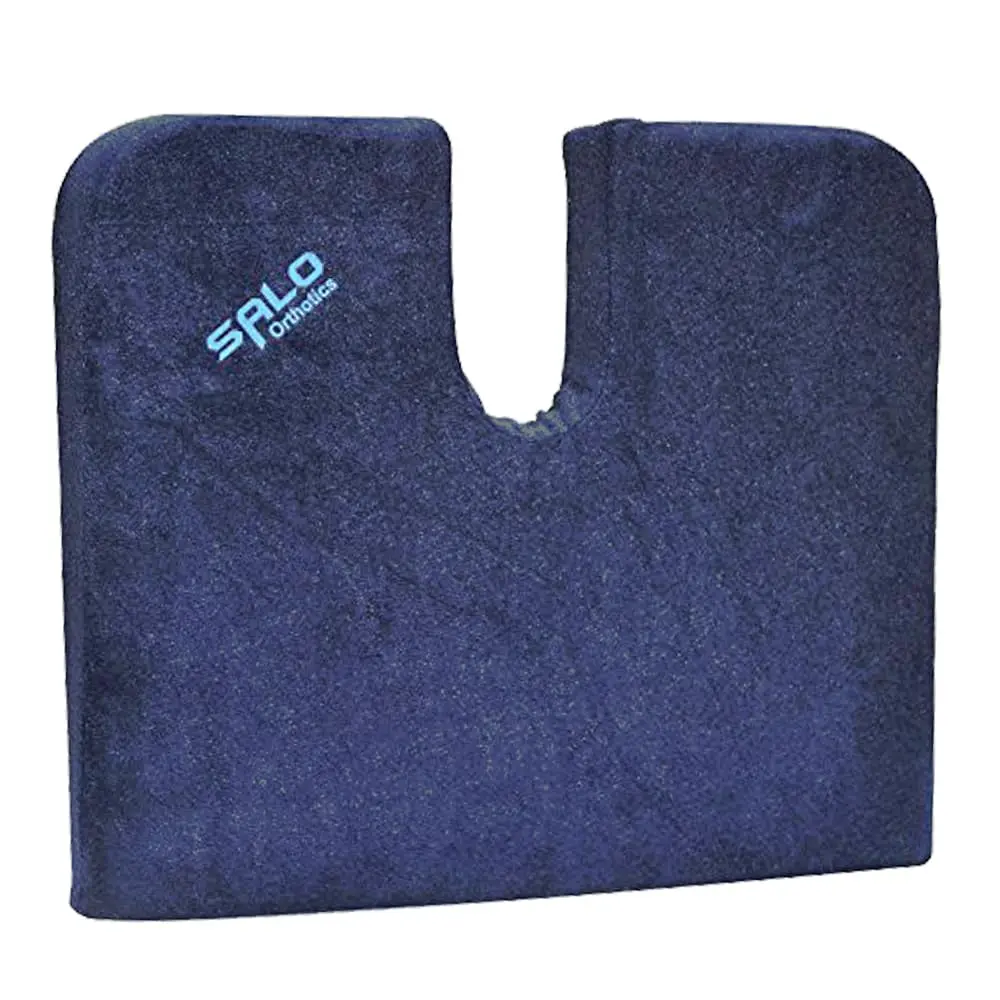
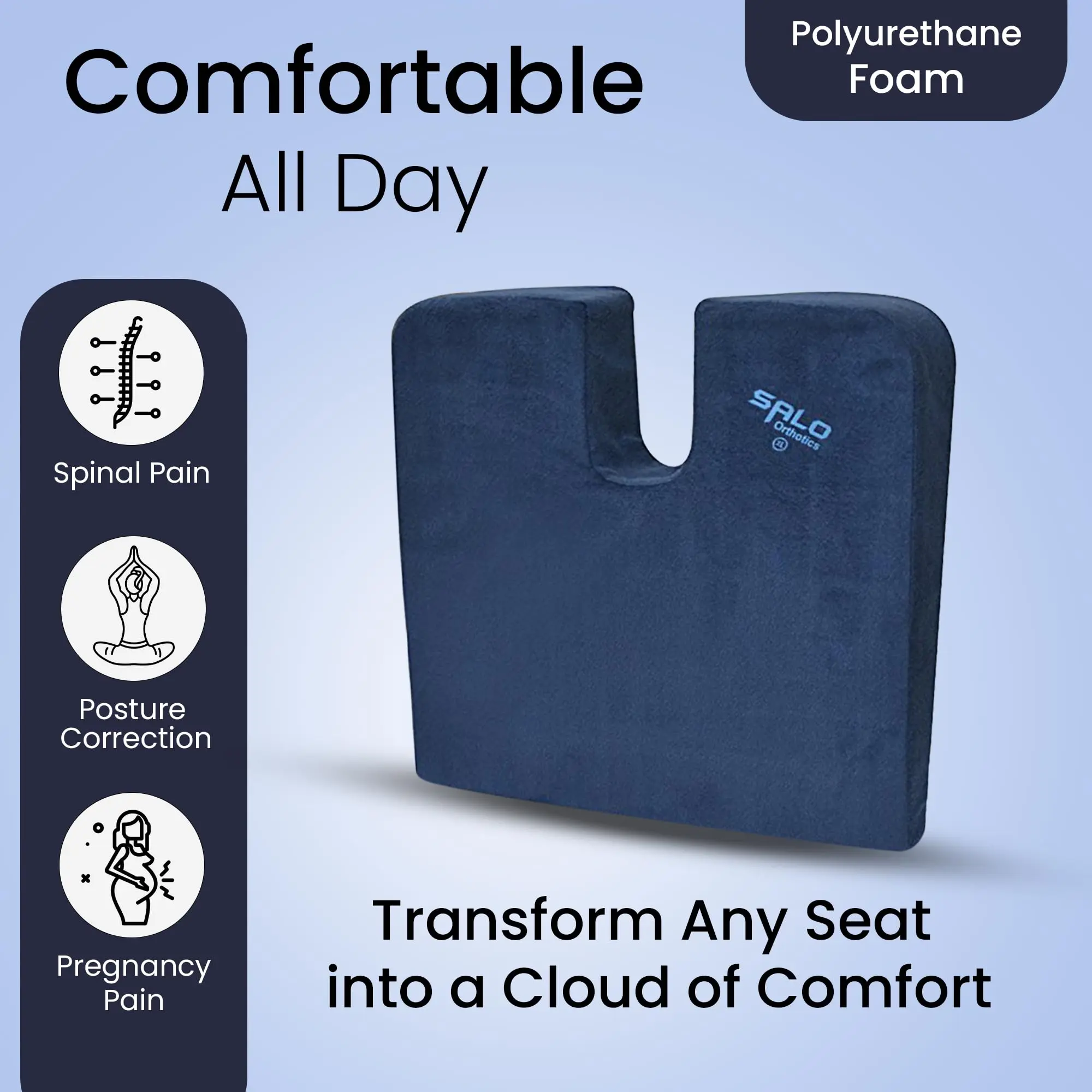
- Precision U-Shaped Coccyx Cutout for Complete Tailbone Pressure Elimination
- Ergonomic Contoured Profile for Even Weight Distribution & Spinal Alignment
- Wedge-Angled Base for Anterior Pelvic Tilt & Lumbar Lordosis Restoration
- High-Density Foam Construction for Durable, Non-Flattening Support
- Clinically Applicable Across Coccydynia, Haemorrhoids, Post-Natal & Post-Surgical Recovery
- Non-Slip Base for Stable, Secure Positioning on Any Seat Surface
- Removable, Machine-Washable Velour or Mesh Cover for Long-Term Hygiene
Coccyx Cushion Regular Orthopedic Tailbone Relief Seat Cushion for Coccydynia, Post-Natal Recovery, Sciatica & Prolonged Seated Comfort
The Coccyx Cushion Regular is a purpose-designed orthopedic seat cushion engineered to deliver complete, reliable relief from the tailbone pressure, sacrococcygeal pain, and perineal discomfort that make prolonged sitting one of the most challenging and painful activities for individuals managing coccydynia, post-natal recovery, post-surgical pelvic healing, haemorrhoids, and sitting-aggravated sciatica. Through the combination of a precisely positioned U-shaped posterior cutout that completely eliminates coccyx contact pressure, an ergonomically contoured seat surface that promotes even weight distribution across the ischial tuberosities, and a gentle wedge angle that restores the anterior pelvic tilt required for natural lumbar lordosis, the Regular Coccyx Cushion addresses the full biomechanical complexity of tailbone pain seated management not merely masking discomfort but actively correcting the postural and pressure-loading patterns that generate it.
Understanding Coccyx Pain: Why Sitting Becomes Unbearable
The coccyx the small, triangular vestigial tail bone at the base of the sacrum plays a surprisingly significant role in seated comfort and spinal function despite its modest anatomical size. During sitting, the coccyx is one of three primary bony contact points between the body and the seat surface alongside the two ischial tuberosities (sitting bones) and in individuals with normal anatomy and healthy pelvic positioning, it bears a moderate but tolerable proportion of the seated body weight. However, when the coccyx is injured, bruised, fractured, hypermobile, or inflamed the clinical presentations collectively termed coccydynia even this normal level of contact pressure becomes acutely painful, and the seated position that most people regard as a comfortable resting posture transforms into a source of constant, penetrating pain that severely disrupts occupational function, driving capacity, and daily quality of life.
The causes of coccydynia are diverse. Direct trauma from a fall onto the buttocks, repetitive microtrauma from activities such as cycling and rowing, childbirth-related coccygeal stress fracture or dislocation, prolonged seated pressure on hard surfaces, and idiopathic hypermobility of the sacrococcygeal joint are the most prevalent clinical aetiologies and all share the common therapeutic requirement of eliminating or substantially reducing the direct contact pressure that the seat surface exerts on the inflamed or injured coccygeal structures. For those that suffer with coccydynia, direct pressure of the coccyx on the seat can become painful sitting in a position where the pelvis is rolled back places more load on the sitting bones and coccyx cushions with an area cut out to remove pressure from the coccyx can provide tailbone relief sitting a coccyx cushion that also alters the pelvic position to redistribute pressure further forward can be particularly helpful identifying both the primary pressure relief mechanism and the secondary pelvic repositioning benefit that the coccyx cushion's wedge-angled base delivers.
The U-Shaped Cutout: Engineering Complete Coccygeal Pressure Elimination
The U-shaped posterior cutout is the central therapeutic feature of the Regular Coccyx Cushion and its precise geometry, dimensions, and positioning determine the clinical effectiveness of the entire device. The cutout must be large enough to completely eliminate any contact between the seat surface and the coccyx across the full range of the user's postural movements during seated activity, but not so large that it undermines the structural integrity of the foam seat surface or eliminates contact at the sacral base and posterior ischial regions where some supportive contact is therapeutically beneficial. The Regular Coccyx Cushion's cutout is dimensioned to achieve this balance creating a suspended, contactless zone directly beneath the coccyx while maintaining the foam support surface that provides even loading across the ischial tuberosities and posterior thigh regions on either side.
Choosing a cushion with a U-shaped cutout or ergonomic contour provides the most effective relief the U-shaped cutout suspends the tailbone, cutting pressure points and easing sciatica, while the contoured shape promotes proper posture and spinal alignment research shows that reducing direct pressure on the sacrococcyx region can alleviate symptoms of coccydynia and improve overall comfort when sitting for prolonged periods confirming the clinical evidence basis for the U-shaped cutout as the most effective coccyx pressure relief mechanism available in seat cushion design, and validating the Regular Coccyx Cushion's design approach as the evidence-aligned standard for tailbone pain management.
Pelvic Repositioning: The Secondary Therapeutic Mechanism
Beyond the primary pressure elimination function of the coccyx cutout, the Regular Coccyx Cushion's gently angled wedge base delivers a clinically important secondary therapeutic effect: the anterior tilting of the pelvis that restores the natural lumbar lordosis and redistributes seated body weight away from the posterior sacrococcygeal region. When the pelvis is allowed to roll backward into posterior tilt during prolonged sitting as it does on flat seat surfaces when the hip flexors tighten and the posterior pelvic floor musculature relaxes the coccyx is driven downward and backward into the seat surface, increasing contact pressure at precisely the anatomical location that requires maximum pressure relief in coccydynia management. The gentle posterior elevation of the coccyx cushion's wedge base counteracts this tendency by tilting the pelvis anteriorly lifting the coccyx clear of the seat surface and reducing the posterior pelvic loading that drives coccyx contact pain during prolonged sitting.
A coccyx cushion that also alters the pelvic position to redistribute pressure further forward can be particularly helpful with a unique cut-out section minimising painful pressure on the coccyx region and a gently angled design to encourage a pelvic position that reduces pressure on the coccyx the dual mechanism of cutout pressure elimination combined with wedge-assisted anterior pelvic tilt makes the Regular Coccyx Cushion substantially more therapeutically effective than a simple flat cushion with a rear cutout alone, addressing both the local contact pressure problem and the underlying postural mechanism that drives posterior coccygeal loading during seated use.
Sciatica Relief: Addressing the Nerve Root Component
The Regular Coccyx Cushion's clinical applicability extends beyond coccydynia to include sitting-aggravated sciatica the radiating leg pain, numbness, and tingling that arise from lumbar nerve root compression or piriformis syndrome, and that prolonged sitting on hard, flat seat surfaces consistently aggravates. The mechanism through which the coccyx cushion benefits sciatica sufferers operates primarily through the pelvic repositioning effect: by tilting the pelvis anteriorly and restoring the lumbar lordosis, the cushion reduces the posterior disc bulging and foraminal narrowing that lumbar flexion-loaded sitting generates, decreasing the compressive loading on the affected nerve root. Additionally, the even distribution of seated body weight across the ischial tuberosities and thighs reduces the sustained loading on the piriformis muscle and the sciatic nerve passing beneath or through it that narrow, concentrated seat contact generates in individuals with piriformis syndrome.
Coccyx seat cushion reduces pressure on tailbone while sitting or driving aids in relief of lower back pain, numbness and sciatica promotes even weight distribution, posture and better spinal alignment the multi-benefit clinical profile of the Regular Coccyx Cushion across tailbone pain, lower back pain, and sciatic symptoms reflects the interconnected postural and pressure mechanisms through which these conditions collectively respond to the biomechanical corrections that a well-designed coccyx cushion delivers.
Post-Natal Recovery: A Critically Important Specific Indication
The post-natal period represents one of the most clinically significant and practically impactful applications of the Regular Coccyx Cushion. Childbirth particularly vaginal delivery with instrumental assistance, perineal tearing, or episiotomy generates a combination of perineal tissue trauma, coccygeal stress from prolonged labour positioning, and pelvic floor structural changes that makes sitting acutely painful in the days and weeks following delivery. New mothers in the post-natal period must nevertheless engage in sustained seated activities including breastfeeding, which may require continuous seated positioning for multiple hours per day in the weeks following birth making effective seated pain management a practical priority that directly affects both maternal comfort and breastfeeding success. Tailbone pain is common after a fall or injury of the tailbone and even after childbirth the cushion also helps to eliminate discomfort from haemorrhoids, fissures and cysts and can ease discomfort associated with sitting on hard surfaces identifying the post-natal period as a primary indication context in which the Regular Coccyx Cushion delivers immediate, meaningful, and functionally important pain relief.
Haemorrhoids, Perineal Conditions & Post-Surgical Recovery
The pressure-eliminating properties of the coccyx cushion are equally clinically relevant across a range of perianal and perineal conditions in which direct seated contact pressure generates pain, wound healing impediment, or tissue trauma. For haemorrhoid sufferers, the coccyx cutout reduces the compressive and shearing forces at the perianal region that standard flat seating generates providing meaningful symptomatic relief during the active haemorrhoid phase and supporting the healing of post-haemorrhoidectomy surgical sites by eliminating the contact pressure that would otherwise impede tissue recovery. For patients recovering from pilonidal cyst excision, perianal fistula repair, prostatectomy, and gynaecological surgical procedures, the coccyx cushion provides the pressure-free seated environment that protects the surgical site from the mechanical disruption of normal sitting during the healing and rehabilitation period.
Universal Compatibility & Practical Versatility
Better comfort for an office chair, car seat, truck, plane, wheelchair, floor or bench the Regular Coccyx Cushion's standard seat dimensions, non-slip base, and compact profile ensure compatibility with the full range of seated surfaces encountered across occupational, domestic, and travel contexts. The carry handle incorporated in many coccyx cushion designs facilitates effortless transfer between the office chair, car seat, and home seating throughout the day ensuring that the therapeutic tailbone relief and postural support the cushion provides are available consistently across every seated environment rather than only at the primary workstation.
Indicated For:
Coccydynia (tailbone pain) from direct trauma, fracture, bruising, and hypermobility, post-natal perineal and coccygeal pain relief during breastfeeding and seated recovery, haemorrhoids and perianal pain during seated activities, pilonidal cyst and post-excision seated comfort, post-prostatectomy and post-gynaecological surgery perineal protection, sitting-aggravated sciatica and lumbar radiculopathy, prolonged desk work and occupational seated back pain, wheelchair seating pressure relief, pelvic floor disorders with seated pain, piriformis syndrome, and any condition in which direct contact pressure at the sacrococcygeal or perineal region during seated activities generates pain, discomfort, or wound healing complications.
Add your review
Your email address will not be published. Required fields are marked *
Please login to write review!
Looks like there are no reviews yet.

M. A. Medical Supports