

Dorsal Hand Splint
Features
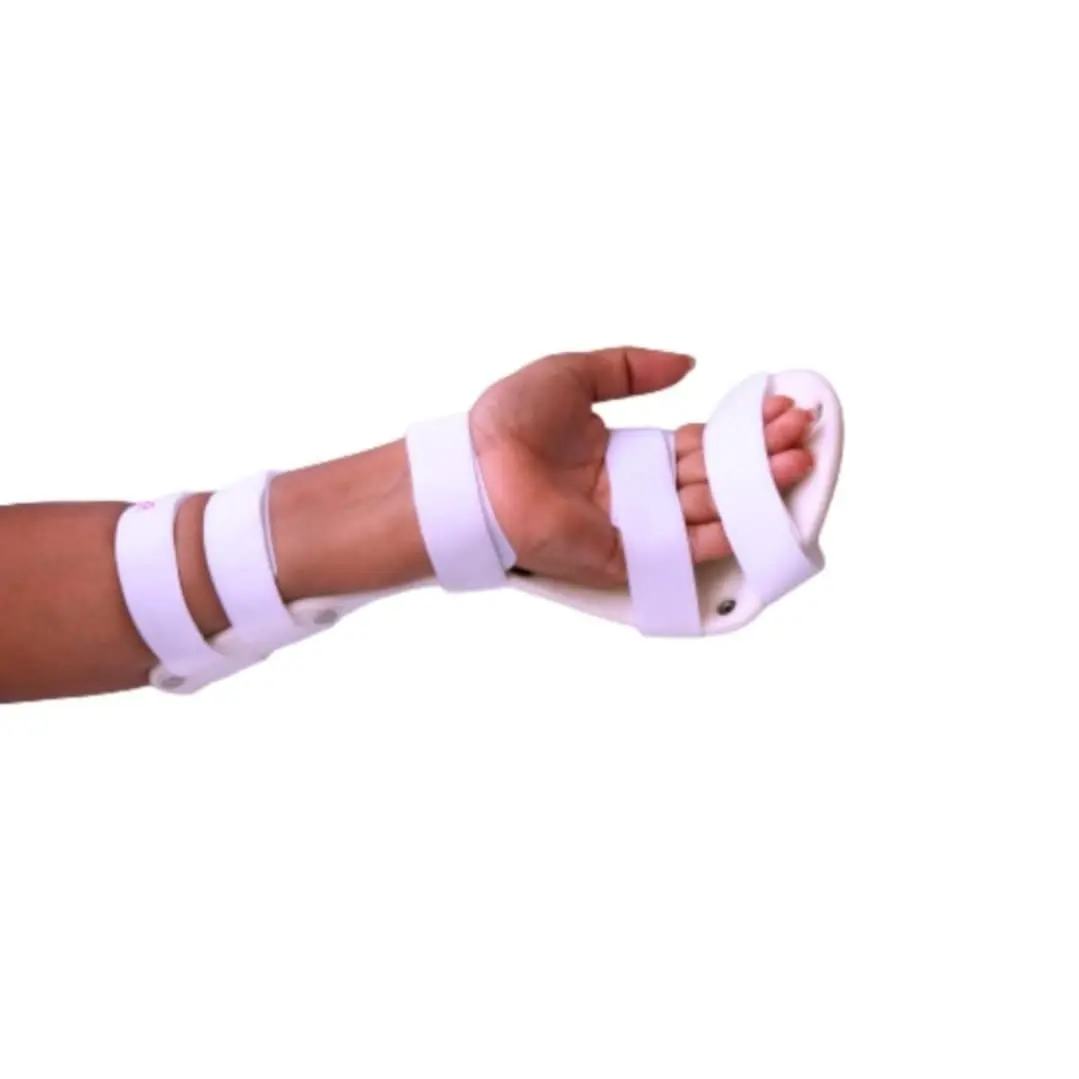
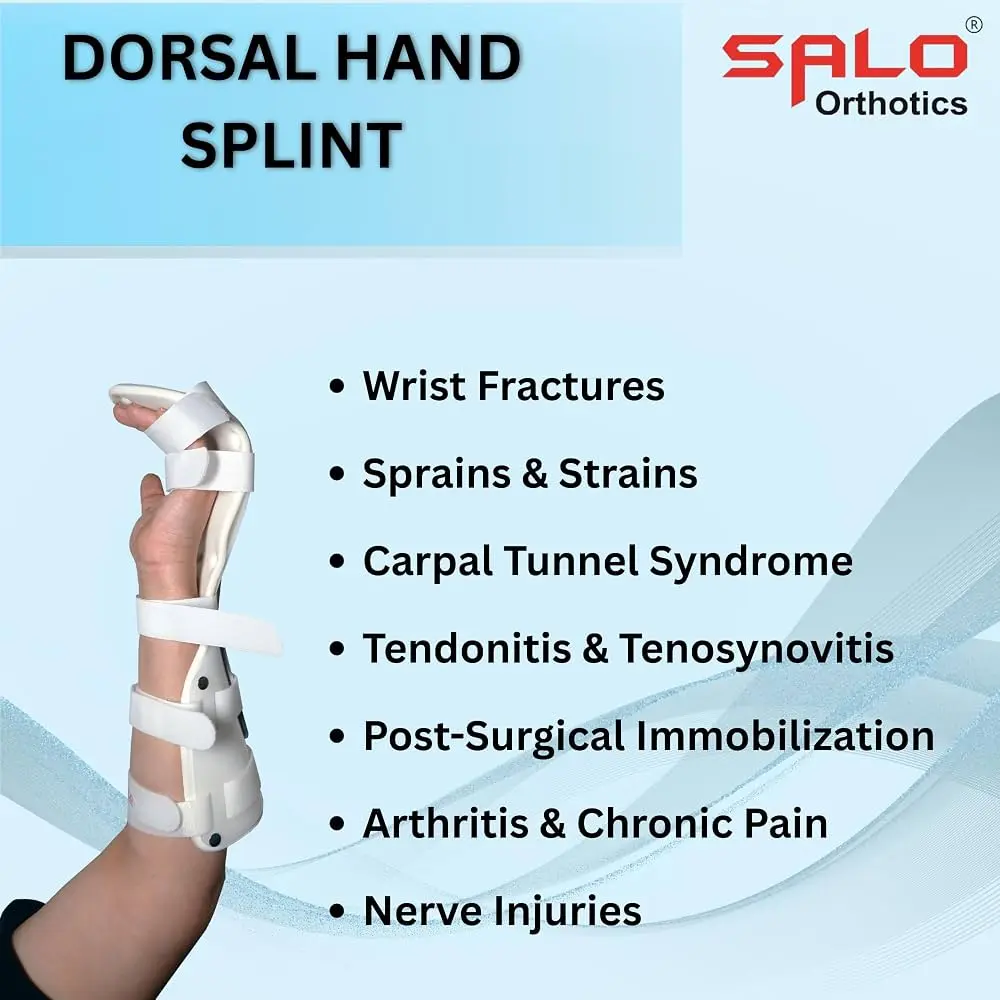
- Dorsal Application Leaves the Palm Completely Free for Sensory Feedback & Functional Use
- Positions the Hand in the Intrinsic-Plus (Edinburgh) Anti-Deformity Position
- Dorsal Blocking Splint Configuration for Flexor Tendon Repair Protocols
- Anti-Microbial Foam Liner for Skin-Safe Extended Therapeutic Wear
- Allows Immediate Active Finger Mobilisation During Fracture Management
- Clinically Indicated for Dorsal Hand Burns to Prevent Claw Hand Deformity
- Heat-Mouldable Thermoplastic Construction for Precise Custom Anatomical Fit
Dorsal Hand Splint Dorsal-Based Wrist-Hand Orthosis for Flexor Tendon Repair, Spastic Hand Rehabilitation, Dorsal Burns, Phalangeal Fractures & Anti-Deformity Hand Positioning
The Dorsal Hand Splint is a clinically versatile wrist-hand orthosis applied to the dorsal (back) surface of the hand and forearm a surface choice that is not merely anatomical preference but a deliberate, biomechanically informed clinical decision that fundamentally determines the therapeutic characteristics of the device. By positioning the structural support platform on the dorsal surface, this splint delivers precise wrist and finger positioning control while leaving the entire palmar surface of the hand free preserving the rich sensory landscape of the palm for therapeutic stimulation, functional object contact, and neuroplasticity-driving sensory experience that a volar (palm-side) splint would obscure. This palmar freedom is the single most clinically important distinction that makes the dorsal hand splint the orthosis of choice across a broad range of hand rehabilitation indications where simultaneous positioning control and functional hand access are both required.
The Biomechanical Rationale: Dorsal vs Volar Application
The choice between a dorsal and volar hand splint application is one of the most consequential clinical decisions in hand orthotic prescription a decision that should be driven by the biomechanical requirements of the target condition, not by convention or habit. The volar splint applied to the palmar surface provides excellent support to the palmar and volar hand structures, making it the preferred design for conditions where palmar surface contact and structural support are the therapeutic priorities. However, the volar application inevitably covers the palmar skin, eliminating the tactile sensory access and object manipulation capability of the palm during wearing.
The dorsal hand splint resolves this limitation by inverting the application surface. With the structural shell positioned on the dorsum, the palmar surface remains completely exposed and accessible enabling the therapist to assess palmar skin integrity without removing the splint, the patient to maintain palmar sensory contact with surfaces and objects throughout the wearing period, and the hand to participate in therapeutic sensory activities and graded functional tasks while the splint simultaneously maintains the prescribed dorsal positioning and joint alignment. This dual capability positional control plus functional access makes the dorsal hand splint uniquely appropriate for the neurological, post-surgical, and post-traumatic hand rehabilitation presentations where both goals must be achieved simultaneously.
Flexor Tendon Repair: The Primary Orthopaedic Indication
The most precisely defined and clinically critical application of the dorsal hand splint is in the post-operative management of flexor tendon repairs a clinical context in which the specific configuration of the dorsal blocking splint directly determines the success or failure of the tendon repair by controlling the mechanical forces acting on the healing tendon throughout the early recovery period. Following primary flexor tendon repair, the newly sutured tendon is at risk from two competing threats: excessive tensile stress from wrist and finger extension that could rupture the repair, and insufficient tendon gliding during immobilisation that allows the tendon to form dense adhesions within its sheath adhesions that restrict active finger flexion and permanently limit functional hand recovery regardless of the technical quality of the repair itself.
The dorsal blocking splint addresses both threats simultaneously through its precisely configured wrist flexion, MCP flexion, and IP extension positioning. The wrist flexion component reduces the effective length of the flexor tendon pathway, decreasing the tensile stress at the repair site during active finger movement. The MCP flexion positioning slackens the proximal portion of the flexor tendon system, further reducing repair site tension during the early weeks of healing. The IP extension positioning maintains the interphalangeal joints in a functional extended posture that allows controlled active motion exercises the tendon gliding that prevents adhesion formation to be performed within the protected range that the blocked wrist and MCP positions define.
Several therapeutic protocols involving a blocking splint are available following flexor tendon repair, including complete immobilisation, the Kleinert Protocol, the Modified Duran Protocol, the Indiana Protocol, the Manchester Protocol, and the St. John Protocol each representing a different balance between protection and early active motion, and each relying on the dorsal blocking splint as the structural framework within which the prescribed range of tendon-gliding motion occurs. The treating hand therapist selects the protocol in collaboration with the operating surgeon based on the repair strength, zone of injury, patient compliance capacity, and rehabilitation resources available.
Stroke & Neurological Spasticity: The Dorsal Approach to Tone Management
In post-stroke and neurological hand rehabilitation, the dorsal hand splint occupies a specific and clinically important niche within the broader spectrum of spastic hand management orthoses. For patients with moderate upper limb spasticity following stroke, the palmar surface of the hand is a primary zone of spasticity-driven skin integrity risk the flexed fingers and thumb press their palmar surfaces against the palm, creating a warm, moist, poorly ventilated environment that is prone to maceration, fungal infection, and skin breakdown. A volar splint in this context adds further palmar occlusion to an already compromised skin environment.
The dorsal hand splint avoids this problem entirely its dorsal application maintains wrist and finger positioning in a neutral to extended anti-spasticity posture while leaving the palm exposed to air circulation, accessible for regular skin inspection, and available for the therapeutic sensory stimulation that drives neuroplastic recovery. Dorsal splints are among the most commonly prescribed products post-stroke used to place the affected arm in a functional position and prevent deformity, with the dorsal design specifically chosen as it leaves the digits free for object manipulation and task performance a clinical priority that the volar design cannot accommodate.
Dorsal Hand Burns: Anti-Deformity Positioning in Scar Management
Dorsal hand burns present a specific and clinically challenging orthotic management problem. The thin, highly mobile skin of the dorsal hand is profoundly vulnerable to the contractile forces of hypertrophic scar maturation forces that, acting across the dorsal surface, progressively drive the MCP joints into hyperextension and the IP joints into flexion, producing the classic claw hand deformity that is the most common and functionally devastating complication of unmanaged dorsal hand burns. The extensor tendons, lying immediately beneath the thin dorsal skin, are particularly vulnerable to direct thermal injury, and the secondary deformities of mallet finger, boutonnière, and swan neck that result from extensor mechanism disruption compound the scar contracture problem significantly.
The dorsal hand splint in the intrinsic-plus anti-deformity position directly opposes every component of the claw hand deformity pattern MCP flexion prevents the MCP hyperextension that anchors the claw posture, and IP extension prevents the IP flexion that completes it. Applied consistently during the scar maturation period which may extend for twelve to eighteen months following burn wound closure the dorsal hand splint in anti-deformity positioning provides the sustained positional counter-force required to prevent scar contracture from consolidating into a fixed structural deformity, preserving the functional hand posture that is the prerequisite for meaningful recovery of independence in daily activities.
Phalangeal & Metacarpal Fracture Management
For metacarpal and phalangeal fractures managed conservatively or with internal fixation, the dorsal hand splint provides the protective immobilisation required during the initial healing phase while enabling the early active motion exercises that are the foundation of optimal fracture rehabilitation. When multiple metacarpal or phalangeal fractures are present, a dorsal splint with extension hood can be placed the extension hood component extending the dorsal shell over the dorsum of the fingers to provide additional stability across multiple digit segments simultaneously. In compliant patients, only the affected and the directly neighbouring fingers need to be included in the splint a targeted approach that minimises unnecessary immobilisation of uninvolved digits and reduces the joint stiffness and muscle atrophy that full-hand immobilisation would otherwise cause.
Intrinsic-Plus Positioning: The Universal Anti-Deformity Standard
Across all clinical applications of the dorsal hand splint, the intrinsic-plus hand position MCP joints flexed to approximately 70–90 degrees with IP joints fully extended represents the single most important biomechanical positioning principle that the splint must achieve to fulfil its anti-deformity function. The intrinsic-plus position maintains the MCP collateral ligaments at their maximum length, preventing the ligamentous shortening that produces MCP extension contracture. It simultaneously maintains the volar plate of each IP joint in a lengthened position, preventing volar plate contracture and the IP flexion deformity that results. The pan of the splint supports the fingers and the palm, with the therapist conforiming the pan to the arches of the hand, thus helping to maintain the transverse and longitudinal arches that are essential for the cupping and grasping motions of functional hand use ensuring that the orthosis not only prevents deformity but actively preserves the three-dimensional hand architecture required for functional recovery.
Fabrication, Materials & Clinical Fitting
The dorsal hand splint is fabricated from low-temperature thermoplastic sheeting that is softened in warm water and moulded directly to the patient's dorsal hand and forearm surface a process that produces a device conforming precisely to the individual anatomy of the patient's hand, including the knuckle contours, finger alignment, and wrist position required by the clinical prescription. The anti-microbial foam liner is applied to the dorsal contact surface of the splint, providing cushioning at the bony prominences of the dorsal hand and fingers while maintaining the hygienic, moisture-wicking surface required for extended daily wear. Multiple Velcro closure straps secure the splint circumferentially at the forearm, wrist, and digit levels, distributing the dorsal contact forces evenly and allowing independent application and removal by the patient or carer.
Indicated For:
Flexor tendon repair (Zones I–V) post-operative management across all controlled active motion protocols, post-stroke dorsal hand positioning and spastic hand management, dorsal hand burn anti-deformity positioning during scar maturation, metacarpal and phalangeal fracture immobilisation and early mobilisation management, rheumatoid arthritis multi-joint hand positioning, traumatic brain injury neurological hand care, cerebral palsy hand deformity prevention, dorsal hand trauma with oedema management, intrinsic-plus anti-deformity positioning across all acute hand injury presentations, and any clinical requirement for dorsal wrist-hand positioning that preserves full palmar surface access for sensory input and functional therapeutic activity.
Add your review
Your email address will not be published. Required fields are marked *
Please login to write review!
Looks like there are no reviews yet.

M. A. Medical Supports