
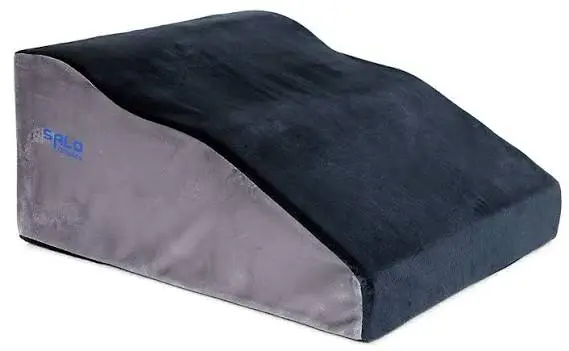
Leg Elevation Pillow (Size - 8")
Features
- Clinically Optimal 8-Inch Elevation Height for Effective Venous Drainage & Oedema Reduction
- Firm High-Density Foam Core That Maintains Its Angle Without Sinking or Flattening
- Full-Leg Support from Heels to Thighs for Complete Lower Limb Elevation
- Promotes Venous Return & Reduces Swelling for DVT Prevention & Post-Surgical Recovery
- Relieves Knee Pain, Sciatica, Lower Back Pain & Arthritis During Rest
- Applicable for Varicose Veins, Lymphoedema, Pregnancy Leg Swelling & Restless Leg Syndrome
- Removable, Machine-Washable Breathable Cover for Long-Term Clinical Hygiene
Leg Elevation Pillow (8 Inch) Firm Foam Wedge Leg Rest for Post-Surgical Oedema, DVT Prevention, Venous Insufficiency, Varicose Veins & Lower Limb Pain Relief During Rest & Sleep
The Leg Elevation Pillow (Size - 8") is a clinically designed, high-density foam wedge cushion engineered to maintain the lower limbs in a consistent, precise elevation above heart level throughout periods of rest and sleep delivering the gravitational venous drainage, oedema reduction, and lower limb pressure relief that are the primary therapeutic objectives of leg elevation across the broad clinical spectrum of post-surgical recovery, chronic venous insufficiency, lymphoedema management, varicose vein care, and lower limb musculoskeletal pain conditions. For everyday swelling and recovery, a roughly 8-inch wedge is the sweet spot higher is not always better and can strain the lower back positioning the 8-inch elevation as the evidence-aligned optimal height for the majority of clinical leg elevation indications, delivering maximum venous drainage effectiveness without the lumbopelvic strain and patient discomfort that excessive elevation heights generate during prolonged nightly use.
The Clinical Rationale for Leg Elevation: Gravity as a Therapeutic Tool
The clinical principle underlying all leg elevation therapy is the use of gravitational force as a passive, continuously operating therapeutic mechanism harnessing the earth's gravitational field to drive the passive return of venous blood and interstitial fluid from the elevated lower limb toward the central circulation, reducing the hydrostatic fluid accumulation that generates oedema, swelling, and the tissue pressure that causes pain, stiffness, and the impaired wound healing that excess fluid accumulation in post-surgical tissues produces.
In the dependent position legs at or below heart level during standing, sitting, or flat-bed lying the venous blood column in the lower limb must be returned to the heart against a hydrostatic pressure gradient that is generated by the vertical height of blood between the foot and the right atrium. In individuals with normal venous valve function and adequate calf muscle pump activity, this gravitational challenge is met effectively during ambulation, but becomes problematic during prolonged immobility when the calf muscle pump is inactive, venous return relies entirely on the competence of the venous valves that have been damaged by venous insufficiency, thrombosis, or the post-operative inflammatory response.
The medical-grade contour of the wedge features a precise incline that keeps legs above the heart, the clinical sweet spot for rapid oedema reduction by elevating the legs above the heart, the 8-inch leg elevation pillow reverses the gravitational challenge, creating a downhill pressure gradient between the elevated foot and the heart that passively drives venous blood return without requiring either intact venous valve function or active calf muscle pumping. This passive venous drainage mechanism operates continuously throughout the entire elevation period across every hour of overnight sleep and daytime rest — accumulating the cumulative fluid drainage that reduces oedema volume, lowers tissue pressure, and restores the microcirculatory exchange capacity that excess interstitial fluid compromises.
The 8-Inch Height: Why This Specific Elevation Delivers Optimal Clinical Outcomes
For swelling or circulation issues, a higher incline of typically 8–12 inches is recommended to elevate the legs above heart level this can enhance blood flow and reduce oedema the 8-inch height of this leg elevation pillow represents the clinically validated lower end of the effective therapeutic elevation range the height at which the lower limb is reliably elevated above the recumbent heart level in the majority of adult anatomical configurations, while remaining within the comfort and lumbar tolerance limits that enable sustained overnight use without the lumbopelvic discomfort and sleep disruption that higher elevation angles generate.
Providing 45 degrees of incline, the elevating leg rest supports the entire leg for optimal rest, easing fatigue and soreness the leg rest wedge is 8 inches in height, elevating the knees, ankles and feet for greater comfort the 45-degree gradient of the 8-inch wedge profile creates a smooth, anatomically appropriate incline that supports the full posterior leg surface from heel through calf to posterior thigh without the abrupt angle changes that steeper elevation profiles generate the changes that create uncomfortable knee hyperextension at the wedge apex and ankle dorsiflexion pressure at the heel contact zone during prolonged elevated rest.
Post-Surgical Lower Limb Recovery: The Primary Clinical Indication
Ergonomic solutions like wedge pillows and leg elevation pillows are crucial for post-surgical recovery these pillows, typically made with memory foam, are designed to elevate the legs at an optimal angle, improving blood flow and reducing swelling the post-surgical indication represents the most clinically urgent and practically impactful application of the 8-inch leg elevation pillow. Following lower limb surgical procedures including total knee arthroplasty, total hip arthroplasty, ankle fracture repair, tibial and fibular osteotomy, varicose vein stripping and sclerotherapy, saphenous vein ablation, and lower limb soft tissue reconstruction the post-operative inflammatory response generates substantial lower limb oedema that, if inadequately managed during the recovery period, prolongs wound healing, increases wound dehiscence and infection risk, delays the return of comfortable weight-bearing function, and significantly extends the duration of the painful, functionally limiting post-operative recovery phase.
Patients recovering from surgeries, especially procedures involving the legs, knees, or lower back, often require leg elevation to minimise swelling and inflammation the consistent support provided by a leg wedge pillow can help stabilise the area and prevent unnecessary movement, aiding in a smoother recovery process the stability of the 8-inch foam wedge pillow is the practical feature that makes it specifically superior to stacked domestic pillows for post-surgical elevation management: the firm, shape-retaining foam maintains the prescribed elevation angle consistently throughout the night without the progressive settling, migration, and collapsing that stacked pillows develop as the patient moves during sleep, ensuring that the therapeutic elevation is maintained across every hour of overnight rest rather than only during the initial post-positioning period.
DVT Prevention: Elevation as a Thromboprophylactic Strategy
Deep vein thrombosis (DVT) the formation of thrombus within the deep venous system of the lower limb is among the most clinically serious and potentially life-threatening complications of lower limb surgery, prolonged immobility, and conditions that impair venous return from the lower limbs. Leg elevation is a recognised component of comprehensive DVT prophylaxis working alongside pharmacological anticoagulation, compression hosiery, and early ambulation to reduce the venous stasis that is one of the three components of Virchow's triad for thrombus formation. After DVT surgery, swelling in the affected leg is common the leg elevation pillow allows for proper leg positioning above the heart level, promoting effective drainage and reducing swelling by maintaining continuous venous drainage during the overnight immobility period when venous stasis risk is greatest, the 8-inch leg elevation pillow provides a pharmacologically complementary, mechanically continuous thromboprophylactic effect that is most clinically valuable in the first post-operative weeks when DVT risk is at its highest.
Chronic Venous Insufficiency, Varicose Veins & Lymphoedema: Long-Term Management
Beyond the acute post-surgical context, the 8-inch leg elevation pillow has important long-term clinical utility in the management of chronic venous insufficiency the condition characterised by damaged or incompetent venous valves that fail to prevent retrograde venous blood flow during the standing and sitting positions of daily life, producing the progressive lower limb swelling, skin changes, and ultimately venous ulceration that define end-stage chronic venous disease. Consistent nightly leg elevation is a cornerstone of chronic venous insufficiency conservative management reversing the daily accumulation of venous hypertension-driven oedema during the overnight period, maintaining the skin and subcutaneous tissue integrity that is progressively compromised by sustained venous hypertension, and reducing the tissue pressure that impairs the microcirculatory exchange required for healthy skin nutrition and wound healing capacity.
For lymphoedema management where impaired lymphatic drainage produces the characteristic protein-rich tissue fluid accumulation and limb enlargement of chronic lymphatic disease consistent elevation during rest complements complete decongestive therapy by providing the gravitational lymphatic drainage assistance that maintains the limb volume reductions achieved during intensive decongestive treatment sessions.
Pregnancy Lower Limb Swelling: A Common Gestational Indication
The leg elevation wedge pillow may relieve discomfort and pressure in the knees, hips and lower back, and elevation pillows promote increased circulation to relieve swollen, aching and tired feet during pregnancy, the progressive increase in uterine size, the hormonal-driven increase in blood volume, and the mechanical compression of the pelvic venous outflow by the gravid uterus collectively generate the dependent lower limb oedema and ankle swelling that are among the most prevalent and uncomfortable physical symptoms of the third trimester. Consistent nightly use of the 8-inch leg elevation pillow during the final trimester provides the gravitational venous drainage that reduces the daily accumulation of lower limb oedema, improving overnight sleep comfort and reducing the morning ankle swelling that limits shoe fitting and ambulatory comfort during the advanced stages of pregnancy.
Practical Positioning Guidance & Daily Use
To effectively reduce oedema and improve circulation, position the wide sloped end of the wedge at the foot of the bed ensure the highest point is furthest from the hips lie flat on your back and place both legs on the pillow heels should rest near the top edge while the slope supports the thighs and calves ensure there is no gap under the knees the absence of a popliteal gap is a clinically critical positioning detail: if the wedge geometry creates a void beneath the posterior knee, the popliteal vessels and sciatic nerve are subjected to sustained point pressure that impairs distal venous drainage, generates posterior knee discomfort, and defeats the therapeutic venous drainage purpose of the elevation. The 8-inch wedge pillow's gradual slope profile rather than a sharp angular step maintains gentle posterior knee support contact throughout the full lower limb contact length, preventing the popliteal gap problem that more steeply angled or step-profiled elevation devices create.
Indicated For:
Post-surgical lower limb oedema management following knee arthroplasty, hip arthroplasty, ankle fracture repair, tibial and fibular osteotomy, varicose vein procedures, and lower limb soft tissue reconstruction; DVT prophylaxis during post-operative immobility periods; chronic venous insufficiency and venous hypertension management; varicose vein conservative management; lower limb lymphoedema volume maintenance; pregnancy-related lower limb swelling in the second and third trimester; restless leg syndrome nocturnal symptom relief; sciatica and lumbar radiculopathy positional relief during recumbent rest; knee osteoarthritis pressure relief during sleep; plantar fasciitis and Achilles tendinopathy overnight elevation; post-ankle sprain and ligament injury management; and any clinical presentation requiring consistent, reliable, gravitationally maintained lower limb elevation during rest and sleep for venous drainage, oedema reduction, and lower limb pain relief.
Add your review
Your email address will not be published. Required fields are marked *
Please login to write review!
Looks like there are no reviews yet.

M. A. Medical Supports