Catheterization for Caregivers: A Guide to Helping a Loved One
Catheterisation for Caregivers: A Guide to Helping a Loved One
If you're a caregiver helping a spouse, parent, child, or another loved one with intermittent catheterization, you're taking on a role that combines practical skill with genuine emotional sensitivity. Whether this is a new responsibility or one you've been managing for a while, here's a comprehensive guide to help you provide safe, comfortable, and respectful care.
Understanding Your Role
Caregiver-assisted catheterization is common for people who, due to limited hand dexterity, cognitive impairment, age, or other physical limitations, aren't able to self-catheterize. As a caregiver, your responsibilities typically include:
- Performing or assisting with the catheterization procedure
- Maintaining proper hygiene and infection prevention
- Monitoring for signs of complications
- Managing supplies and scheduling
- Supporting your loved one's dignity and comfort throughout the process
Some caregivers perform catheterization independently after training from a healthcare provider, while others assist a loved one who retains some ability to participate in parts of the process.
Getting Proper Training First
Before taking on this responsibility, it's important to receive hands-on training from a healthcare provider typically a nurse, continence specialist, or the prescribing physician. Training should cover:
- Correct catheter insertion technique specific to your loved one's anatomy and needs
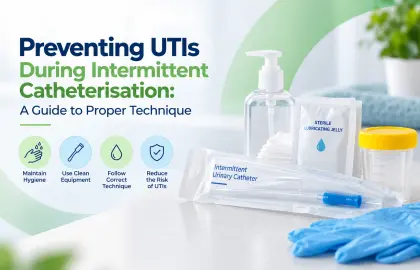
- Proper hygiene and infection prevention practices
- How to recognize and respond to complications
- Any anatomical considerations specific to your loved one's condition
Don't hesitate to ask for a demonstration, and request a follow-up session if you don't feel fully confident after the first training. Most healthcare teams expect and welcome these questions this is a skill that takes practice to feel comfortable with.
Step-by-Step: Assisting with Catheterization
While specifics should always follow your healthcare provider's guidance, the general process typically includes:
1. Wash Your Hands Thoroughly Proper hand hygiene is just as important for caregivers as it is for self-catheterization wash with soap and water for at least 20 seconds before beginning.
2. Prepare Supplies in Advance Have everything within reach before starting: the catheter, cleansing wipes, gloves (if used), and a collection container if needed. This minimizes interruptions and helps the process feel smooth and unhurried.
3. Communicate Throughout Let your loved one know what you're doing at each step, even if they have limited ability to respond. This maintains their sense of involvement and dignity throughout the process.
4. Position for Comfort and Access Help your loved one into a position that's both comfortable for them and allows clear access for the procedure, following the specific guidance provided during your training.
5. Clean the Area Gently Clean the genital area using proper technique (front to back for female patients) before catheter insertion, to reduce infection risk.
6. Insert the Catheter Gently Follow your trained technique closely, moving slowly and gently. If you encounter resistance, pause rather than forcing the catheter reposition and try again gently, and contact a healthcare provider if resistance persists.
7. Allow Complete Drainage Give the bladder time to fully empty, following the same care and patience you would want if you were self-catheterizing.
8. Remove and Dispose Properly Withdraw the catheter slowly and dispose of it properly, then wash your hands again.
Choosing the Right Catheter for Caregiver-Assisted Use
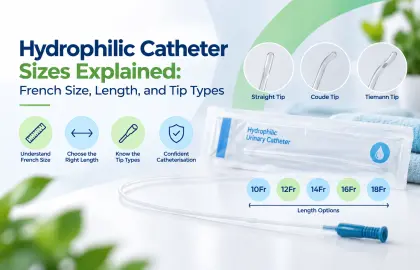
Hydrophilic catheters are often particularly well-suited for caregiver-assisted catheterization because:
- The smooth, low-friction coating reduces the risk of discomfort or trauma during insertion, which can be especially important when the caregiver, rather than the patient, is controlling the insertion process
- No-touch, closed-system designs help maintain hygiene standards during caregiver handling
- Ready-to-use, pre-lubricated options simplify the process, reducing steps for a caregiver managing multiple aspects of care
Discuss catheter type and features with your loved one's healthcare provider to find the best fit for your specific caregiving situation.
Maintaining Dignity and Emotional Sensitivity
Catheterization is an inherently personal and vulnerable experience, and this is worth keeping at the center of how you approach caregiving in this area.
- Maintain privacy wherever possible, even within a home setting close doors, use screens or curtains, and minimize unnecessary presence of others during the procedure.
- Communicate respectfully, explaining each step rather than performing the process silently or rushing through it.
- Involve your loved one in the process as much as their ability allows, even if that just means letting them know what's happening or asking simple yes/no questions about comfort.
- Be patient with emotional responses. Some individuals feel frustration, embarrassment, or sadness about needing this type of assistance acknowledging these feelings, without dismissing or over-focusing on them, can help maintain trust and emotional safety.
Watching for Signs of Complications
As a caregiver, you play a key role in noticing early warning signs your loved one may not be able to communicate themselves. Watch for:
- Cloudy, foul-smelling, or blood-tinged urine
- Fever, chills, or signs of general illness
- Increased confusion (particularly relevant in elderly patients, where UTIs can sometimes present primarily as cognitive changes rather than typical urinary symptoms)
- Signs of pain or distress during catheterization
- Difficulty inserting the catheter that wasn't present previously
Report any of these signs to your loved one's healthcare provider promptly, since early intervention typically leads to simpler treatment.
Managing the Practical Side of Caregiving
Keep a Consistent Schedule A predictable catheterization schedule supports both bladder health and caregiving routine, making the responsibility more manageable to plan around.
Track Supplies and Reorder Early Running low on catheters can create stressful last-minute situations building a habit of reordering before supplies run low helps avoid this.
Keep Simple Records if Helpful Some caregivers find it useful to briefly log catheterization times, any observed issues, or changes in urine appearance, particularly useful information to share at medical appointments.
Taking Care of Yourself as a Caregiver
Caregiving responsibilities, especially involving intimate personal care, can be physically and emotionally demanding. A few things that can help:
- Don't hesitate to ask questions of your loved one's healthcare team, even ones that feel basic confidence in your technique benefits both you and your loved one.
- Connect with other caregivers, through support groups or online communities, who understand the specific challenges of catheter-related caregiving.
- Recognize your own needs, including respite care options if available, to help sustain your ability to provide quality care over the long term.
Final Thoughts
Caregiver-assisted catheterization combines technical skill with emotional care, and both matter equally for a positive experience for your loved one. With proper training, quality supplies like hydrophilic no-touch catheters, and an approach centered on dignity and communication, this responsibility while significant can become a manageable, confident part of your caregiving routine.
Hydrophilic Urinary Catheter

Hot
Latest Posts