DVT Risk Factors and Warning Signs: Who Should Be Watching Out
DVT Risk Factors and Warning Signs: Who Should Be Watching Out
Deep vein thrombosis (DVT) can develop quietly, sometimes with subtle symptoms that are easy to dismiss. Understanding your personal risk factors and knowing what warning signs to watch for is one of the most important steps in catching DVT early, when it's most treatable. Here's what everyone should know.
What Is DVT?
Deep vein thrombosis occurs when a blood clot forms in one of the deep veins, most commonly in the legs. While some clots resolve without major issue, DVT carries a serious risk: if part of the clot breaks loose, it can travel to the lungs and cause a pulmonary embolism a potentially life-threatening condition. This is why understanding risk and recognizing symptoms early matters so much.
Key Risk Factors for DVT
1. Prolonged Immobility
Extended periods without movement whether from bed rest during illness or recovery, long-haul flights, or lengthy car trips reduce blood flow in the legs, increasing clot risk. This is one of the most common and preventable risk factors.
2. Recent Surgery
Surgical procedures, particularly orthopedic surgeries (like hip or knee replacement), abdominal surgery, or any procedure requiring extended recovery immobility, significantly raise DVT risk in the days and weeks following the operation.
3. Hospitalization
Extended hospital stays, especially involving bed rest, are a well-established risk factor, which is why many hospitals routinely use DVT prevention measures for admitted patients.
4. Pregnancy and Postpartum Period
Pregnancy increases clotting risk due to hormonal changes and increased pressure on pelvic veins, with risk remaining elevated for several weeks after delivery.
5. Cancer and Cancer Treatment
Certain cancers and chemotherapy treatments are associated with increased clotting risk, due to changes in blood composition and clotting factors.
6. Obesity
Excess body weight increases pressure on veins in the legs and pelvis, contributing to a higher risk of clot formation.
7. Age
DVT risk increases with age, particularly after 60, though it can occur at any age, especially when combined with other risk factors.
8. Family History or Personal History of Clotting
A personal or family history of DVT or pulmonary embolism suggests a higher baseline risk, sometimes related to inherited clotting disorders.
9. Hormone-Related Medications
Certain hormonal medications, including some birth control pills and hormone replacement therapy, can increase clotting risk, particularly when combined with other risk factors like smoking or immobility.
10. Smoking
Smoking affects blood circulation and clotting factors, contributing to increased DVT risk, especially when combined with other factors like hormonal medication use.
11. Chronic Medical Conditions
Conditions such as heart disease, inflammatory bowel disease, and certain autoimmune or clotting disorders are associated with elevated DVT risk.
12. Varicose Veins
While not a direct cause, significant varicose veins can be associated with impaired blood flow that may contribute to clotting risk in some individuals.
Situations That Combine Multiple Risk Factors
Certain situations stack several risk factors at once, warranting extra attention:
- Post-surgical recovery in an older adult- combines immobility, age, and potentially other underlying conditions
- Long-haul travel during pregnancy- combines prolonged immobility with pregnancy-related clotting risk
- Cancer treatment requiring extended bed rest- combines cancer-related risk with immobility
If you fall into a higher-risk category or a combination of factors, it's worth discussing DVT prevention strategies proactively with your doctor, especially before surgery, long travel, or other situations that increase risk.
Warning Signs of DVT
DVT symptoms typically occur in one leg (though it's possible, though less common, to occur in both) and can include:
- Swelling in the affected leg, often noticeably more than the other leg
- Pain or tenderness, often starting in the calf, which may feel like cramping or soreness
- Warmth in the affected area compared to surrounding skin
- Red or discolored skin on the leg, particularly around the area of discomfort
- Visible surface veins that appear more prominent than usual
It's important to note that DVT symptoms can sometimes be subtle or even absent, which is part of why understanding risk factors and preventive measures matters even without obvious symptoms.
Signs of a Pulmonary Embolism A Medical Emergency
If a clot travels to the lungs, it can cause a pulmonary embolism, which requires immediate emergency medical attention. Warning signs include:
- Sudden shortness of breath
- Chest pain that may worsen with deep breathing
- Rapid heart rate
- Lightheadedness or fainting
- Coughing, sometimes with blood
If you or someone else experiences these symptoms, seek emergency medical care immediately this is a medical emergency, not a symptom to monitor at home.
When to Contact Your Doctor for Suspected DVT
If you notice leg swelling, pain, warmth, or discoloration — particularly if you have known risk factors contact your doctor promptly rather than waiting to see if symptoms resolve on their own. DVT is generally diagnosed through an ultrasound of the affected leg, and early diagnosis allows for more straightforward treatment, typically involving blood-thinning medication.
Reducing Your Risk
For those with elevated risk factors, several strategies can help reduce DVT risk:
- Stay mobile whenever possible, particularly during recovery from surgery or illness, following your medical team's specific mobility guidance
- Move periodically during long trips- simple leg exercises, standing, or short walks during flights or car trips can help
- Stay hydrated, since dehydration can contribute to blood thickening
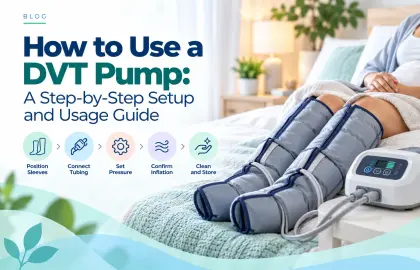
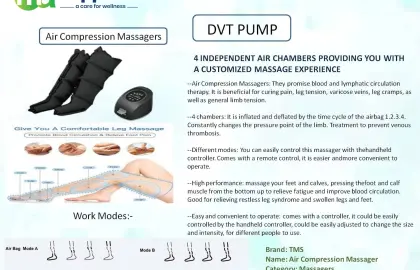
- Use prescribed prevention measures as directed, such as compression stockings or DVT pumps, particularly following surgery or during extended immobility
- Discuss your specific risk factors with your doctor, especially before planned surgery, long travel, or if you have a family history of clotting disorders
Final Thoughts
Understanding your personal DVT risk factors and knowing the warning signs to watch for empowers you to seek timely medical attention if something doesn't feel right. While DVT can sometimes develop without obvious symptoms, awareness combined with appropriate preventive measures, especially during higher-risk periods like post-surgical recovery or extended immobility, offers the best protection. When in doubt, it's always better to check in with your doctor than to wait and see.
DVT Pump

-53%
Latest Posts