Traveling and Daily Life with a Baby in a Denis Browne Splint
Traveling and Daily Life with a Baby in a Denis Browne Splint
Bracing doesn't mean putting daily life on hold. With a bit of planning, most families find that everyday activities car rides, outings, travel, and sleep can continue fairly normally alongside a Denis Browne Splint routine. Here's a practical guide to navigating common situations.
Car Seat Safety with a Splint
One of the first questions many parents have is whether the splint affects car seat use.
- Standard rear-facing infant seats generally accommodate the splint without modification, since the crossbar sits below the harness area. Check that your baby's legs can rest comfortably in their natural position without the crossbar pressing against the seat's sides.
- Adjust the seat recline angle if needed for comfort, following your car seat manufacturer's guidelines for safe recline range.
- Avoid modifying the harness or seat to accommodate the splint the crossbar's width is generally designed to work within standard seat dimensions, so seek car seat manufacturer or paediatric provider guidance rather than improvising modifications.
- Test it before your first outing. Try a short practice ride to see how your baby settles with the splint in the car seat before a longer trip.
If you have specific concerns about car seat compatibility, many paediatric hospitals or clubfoot support organizations can offer guidance, and some car seat manufacturers have specific advice for use with orthopaedic bracing.
Sleep Considerations While Bracing
Since much of the bracing period involves nighttime-only wear, sleep setup matters:
- Standard cribs and bassinets generally accommodate the splint without issue, since the device doesn't significantly change your baby's overall size.
- Swaddling may need slight adjustment once your baby is in the splint full-time, since the crossbar limits how tightly the legs can be wrapped together. Many parents transition to a modified swaddle that secures the upper body while leaving more room for the legs.
- Side-sleeping positions aren't typically compatible with the splint's leg positioning always follow safe sleep guidelines (back sleeping, clear crib) regardless of bracing status.
- Give extra settling time in the early days, since some babies take a bit longer to fall asleep while adjusting to the sensation of the splint.
Dressing Your Baby with a Splint
Choose Looser-Fitting Bottoms Pants, rompers, or sleepers with wider leg openings make it easier to dress your baby around the splint without excessive maneuvering.
Two-Piece Outfits Can Simplify Diaper Changes Separates (rather than one-piece outfits) can make nappy changes quicker, since you won't need to fully undress your baby each time.
Layer for Temperature Regulation Since the boots cover the feet, consider how this affects overall temperature regulation, especially in warmer climates lighter layers on the rest of the body can help balance this out.
Have a Few "Splint-Friendly" Outfits on Standby Many parents find a small rotation of easy-access outfits makes daily dressing faster and less stressful, especially during the initial adjustment period.
Managing Outings and Errands
- Pack a small bag with spare socks (if used under the boots) in case of any dampness or mess during outings.
- Choose stroller or carrier options that comfortably accommodate the splint most standard strollers work fine, but babywearing carriers may need slight adjustment to accommodate the crossbar comfortably.
- Plan for nappy changes on the go, keeping in mind the splint doesn't typically need to be removed for standard nappy changes check with your provider on best practice for your specific device.
- Don't avoid public outings out of self-consciousness. Most people are simply curious or unaware, and briefly explaining ("clubfoot bracing") if asked is entirely optional and up to your comfort level.
Traveling by Car for Longer Trips
- Plan extra stops for feeding, changing, and general breaks, just as you would for any trip with an infant.
- Bring backup socks or liners if your splint uses them, in case of any need for a change during a long journey.
- Keep your provider's contact information handy in case any fit or comfort questions arise while away from home.
Traveling by Air
- Notify airline staff if needed, particularly if you anticipate needing extra space or assistance during boarding.
- Carry any relevant medical documentation about the splint, particularly useful if questions arise during security screening, though metal components in most splints are generally not an issue.
- Bring extra supplies (socks, any spare parts recommended by your provider) in your carry-on rather than checked luggage.
- Consider timing bracing around flight schedules if your baby is in a transitional wear schedule, checking with your provider on any flexibility for travel days if needed.
Visiting Family and Friends
- Prepare a simple explanation for curious family members or friends unfamiliar with clubfoot treatment most people are supportive once they understand it's a standard, effective treatment approach.
- Communicate care instructions if leaving your baby with another caregiver, including wear schedule, fitting steps, and what to watch for.
- Don't feel obligated to over-explain if you'd rather keep it simple a brief "it's part of his treatment for a foot condition that's being successfully corrected" is often enough.
Managing the Emotional Side of Being "Out and About"
It's common for parents to feel a bit more self-conscious about the splint during the early weeks of full-time wear, particularly in public settings. This tends to ease naturally over time as:
- You become more confident and comfortable talking about it, if asked
- Your baby adjusts and seems more settled overall, which often reduces parental anxiety
- You realize most people are simply unaware or mildly curious, rather than judgmental
Building Your Own Routine
Every family finds their own rhythm with bracing and daily life. Some general principles that help:
- Consistency reduces friction sticking to predictable routines around fitting, outings, and sleep tends to make each easier over time
- Preparation reduces stress having supplies ready and a general plan for outings minimizes last-minute scrambling
- Flexibility matters too some days won't go perfectly, and that's a normal part of parenting with a bracing schedule, not a sign you're doing something wrong
Final Thoughts
A Denis Browne Splint doesn't need to significantly limit your family's daily life or ability to travel and go about normal activities. With some practical adjustments to car seats, sleepwear, outfits, and travel planning most families find that life continues fairly normally, with the bracing routine simply becoming one more part of caring for their child during this treatment phase.
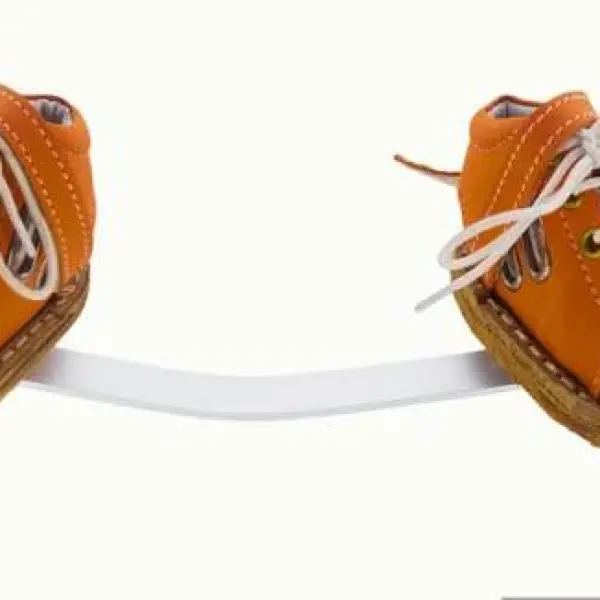
Dennis Brown Splint
-32%

Hot
Latest Posts