Life After Bracing: What Happens When Denis Browne Splint Treatment Ends
Life After Bracing: What Happens When Denis Browne Splint Treatment Ends
After months or years of consistent bracing, reaching the end of Denis Browne Splint treatment is a significant milestone for families managing clubfoot correction. It's natural to feel a mix of relief and uncertainty about what comes next. Here's what parents can generally expect once active bracing is complete.
When Does Bracing Typically End?
Bracing schedules are individualized, but most children transition out of full-time wear within the first few months after casting, moving to nighttime and nap-time wear that often continues for several years commonly until around age four or five, depending on the child's progress and their orthopaedic surgeon's assessment.
The exact endpoint is determined by your care team based on:
- How well the correction has held over time
- Bone and joint maturity, which continues developing through early childhood
- Any signs of residual tightness or positional drift during check-ups
Your provider will guide you through a gradual reduction in wear time rather than an abrupt stop, allowing them to monitor how the foot responds as bracing hours decrease.
What Happens at the Final Assessment
Before fully discontinuing bracing, your orthopaedic provider will typically conduct a thorough evaluation, which may include:
- Physical examination of foot position, flexibility, and range of motion
- Gait assessment, observing how your child walks and whether any compensatory patterns are present
- Comparison to previous visits, tracking whether correction has remained stable over recent check-ups
- Discussion of any residual concerns, such as mild stiffness or asymmetry that may still need monitoring
This assessment helps determine not just when to stop bracing, but also what follow-up monitoring will look like afterward.
Ongoing Monitoring After Bracing Ends
Discontinuing the splint doesn't mean the end of medical follow-up. Most orthopaedic teams recommend periodic check-ups for several years afterward, since:
- The foot and leg bones continue developing throughout childhood
- Relapse, while less common after successful bracing, can still occur, particularly during growth spurts
- Early detection of any positional drift allows for simpler intervention if needed
Follow-up appointments often become less frequent over time starting with visits every few months and gradually spacing out to annual check-ups as stability is confirmed.
What "Relapse" Means and How Often It Happens
Relapse refers to the foot gradually drifting back toward some degree of the original clubfoot position after treatment. While the risk is highest when bracing is inconsistent during the active treatment years, some degree of relapse risk can persist even after successful, well-adhered bracing.
Signs that may warrant a check-in with your orthopaedic provider, even after bracing has ended, include:
- The foot appearing to turn inward again
- Changes in walking pattern, such as increased toe-walking or an inward-turning gait
- One foot appearing different in flexibility or position compared to the other
- Complaints of pain or discomfort during walking or activity, once your child is old enough to communicate this
Most relapses, when caught early, can be managed with less intensive treatment than the original correction required another reason ongoing follow-up matters even after active bracing concludes.
Long-Term Mobility Outlook
The encouraging news for most families: children who complete Ponseti treatment with consistent bracing generally go on to have normal or near-normal foot function, including:
- Walking, running, and jumping like their peers
- Participating in sports and physical activities without significant limitation
- Wearing standard footwear without major modification, in most cases
Some children may have subtle differences in calf muscle size or flexibility on the treated side, which is common and typically doesn't affect overall function or activity level.
Supporting Your Child's Development After Bracing
Encourage Active Movement
Once bracing ends, regular physical activity supports healthy muscle and joint development. Most children naturally gravitate toward active play, which is generally encouraged unless your provider advises otherwise for a specific reason.
Watch Footwear Choices
While most children don't need specialized shoes after treatment, well-fitted, supportive footwear during early walking years is generally a good practice for any child.
Keep Follow-Up Appointments
Even when everything looks well, attending scheduled check-ups allows your provider to catch any subtle changes early, when they're easiest to address.
Stay Alert, Without Overworrying
It's natural to feel a heightened awareness of your child's foot position or gait after years of active treatment. Most parents find this awareness naturally eases over time as check-ups continue to confirm stability.
Emotional Reflections for Parents
Reaching the end of active bracing often brings a complex mix of emotions relief that the demanding daily routine is over, but sometimes also uncertainty about "what if something changes." This is a common experience among parents who've gone through Ponseti treatment, and it typically fades as follow-up visits continue to reassure that the correction is holding well.
Many parents describe this stage as a natural transition point from actively managing a medical routine to simply keeping an eye on their child's continued growth and development, much like any other aspect of parenting.
When to Reach Out After Bracing Ends
Contact your orthopaedic provider if, at any point after bracing concludes, you notice:
- The foot appearing to change position or turn inward
- New or increasing difficulty with walking, running, or standard childhood activities
- Complaints of pain, once your child can communicate this
- Visible asymmetry between the treated and unaffected foot that seems to be increasing
Early evaluation, even for something that turns out to be minor, provides peace of mind and allows for simpler intervention if any adjustment is needed.
Final Thoughts
Completing Denis Browne Splint bracing marks the end of one chapter in clubfoot treatment, but ongoing monitoring remains an important part of ensuring long-term success. The vast majority of children who complete consistent bracing go on to lead fully active lives with normal mobility. Staying engaged with follow-up care, while allowing your child to simply grow and move freely, is the best way to support a smooth transition into this next stage.
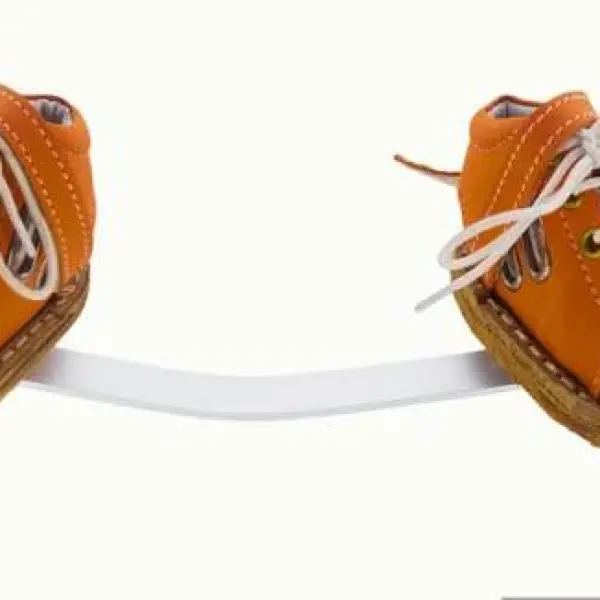
Dennis Brown Splint
-32%

Hot
Latest Posts