
Signs of Clubfoot Relapse: What Parents Should Watch For
Signs of Clubfoot Relapse: What Parents Should Watch For
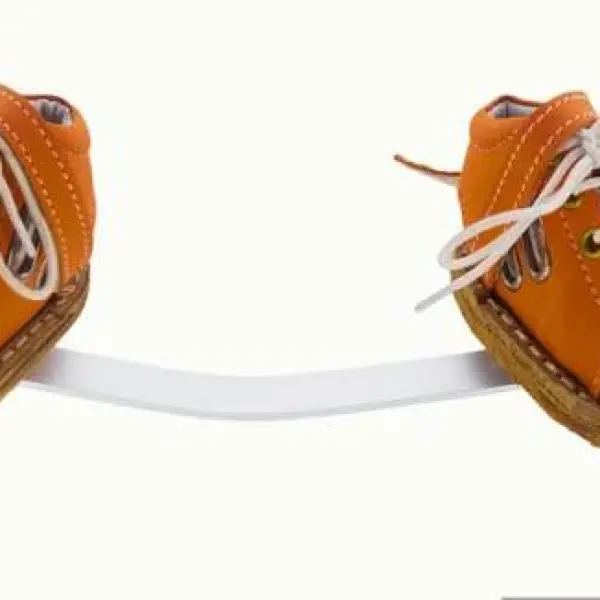
After months or years of consistent Denis Browne Splint bracing, most families reach a point of confidence that their child's clubfoot correction has held. Still, understanding what relapse looks like and knowing it's usually manageable when caught early can help parents feel more prepared rather than anxious during the years of ongoing monitoring. Here's a clear, practical guide to what to watch for.
What Is Clubfoot Relapse?
Relapse refers to the foot gradually drifting back toward some degree of its original clubfoot position after initial correction through casting and bracing. It doesn't mean treatment “failed” relapse is a recognised, relatively common part of the overall clubfoot treatment journey, and when identified early, it's typically much easier to address than the original deformity.
Relapse can occur at different points, but the highest-risk periods are generally:
- During the active bracing years, particularly if bracing consistency has been inconsistent
- During growth spurts, when rapid bone and tissue changes can sometimes affect foot positioning
- After bracing has fully ended, though this is less common with a foot that has shown stable correction over time
Early Signs to Watch For
1. The Foot Turning Inward Again
One of the clearest signs of possible relapse is the foot beginning to visibly turn or curve inward, resembling some aspect of the original clubfoot position. This can be subtle at first, so comparing photos over time (many parents find this helpful) can make gradual changes easier to notice.
2. Increased Toe-Walking
While some toe-walking is common in toddlers generally, a noticeable increase in toe-walking particularly if it seems to be worsening rather than improving can sometimes indicate tightness returning in the Achilles tendon, a component of the original clubfoot deformity.
3. Changes in Walking Pattern
Watch for changes such as:
- An inward-turning gait that wasn't previously present
- Increased tripping or stumbling
- Visible asymmetry between how the two feet or legs move during walking
4. Reduced Flexibility
If your child's foot seems stiffer or less flexible than in previous check-ups particularly when compared to the unaffected foot in unilateral cases this is worth mentioning at your next appointment, or sooner if the change seems significant.
5. Visible Asymmetry Between Feet
For unilateral clubfoot cases, an increasing visible difference between the treated and unaffected foot in terms of size, shape, or flexibility can be a signal worth having evaluated.
6. Complaints of Pain or Discomfort
Once your child is old enough to communicate, pay attention to any complaints of foot or leg pain during walking, running, or standing, especially if it seems to be a new or worsening symptom.
7. Resistance to Wearing Regular Shoes
Some parents notice their child having new difficulty fitting into shoes that previously fit fine, or expressing discomfort with footwear that wasn't an issue before this can sometimes reflect subtle positional changes in the foot.
Signs That Are Usually Not Cause for Concern
It's worth noting that some variations are a normal part of childhood development and not necessarily signs of relapse:
- Mild, occasional toe-walking that comes and goes, common in many toddlers regardless of clubfoot history
- Slightly different calf muscle size between treated and untreated legs a common and usually permanent characteristic that doesn't typically affect function
- Normal clumsiness or stumbling consistent with typical toddler development
If you're ever unsure whether something falls into the "normal variation" or "worth checking" category, it's always reasonable to mention it at your next scheduled appointment or contact your provider's office for guidance.
Why Early Detection Matters
Catching relapse signs early generally means simpler treatment options. Depending on severity, early relapse is often addressed through:
- A return to more consistent bracing
- A short series of repeat casting sessions
- In some cases, minor procedures if relapse is more significant
Waiting until relapse becomes more pronounced can sometimes require more involved treatment, which is why parents' day-to-day awareness plays a genuinely valuable role in the overall care team.
Building a Habit of Observation Without Over worrying
Take Periodic Photos
Many parents find it helpful to take occasional photos of their child's feet both standing and during movement to more easily notice gradual changes over time that might be harder to catch day-to-day.
Pay Attention During Growth Spurts
Since rapid growth periods carry somewhat higher relapse risk, this can be a useful time to be a bit more attentive to walking patterns and foot flexibility.
Trust Routine Check-Ups
Your orthopaedic provider is trained to catch subtle signs that may not be obvious to parents. Attending all scheduled follow-up appointments, even when everything seems fine, remains one of the most effective relapse-prevention tools available.
Avoid Constant Self-Examination
While awareness is helpful, checking excessively or feeling anxious about every small variation can create unnecessary stress. Most parents find a natural balance over time attentive without being hyper vigilant.
When to Contact Your Orthopaedic Provider
Reach out to your child's provider if you notice:
- The foot visibly turning inward compared to previous appearance
- A new or worsening inward-turning walking pattern
- Increasing toe-walking that seems to be progressing rather than improving
- Complaints of pain during walking or activity
- Any change that feels different from your child's established baseline, even if you're not entirely sure it's significant
It's always reasonable to reach out with a question, even between scheduled visits most orthopaedic teams would rather address a false alarm than have a genuine early sign go unaddressed.
Final Thoughts
Relapse is a recognized part of the clubfoot treatment journey, not a sign that earlier treatment failed. Staying attentive to changes in foot position, walking pattern, and flexibility while maintaining regular follow-up appointments gives your child the best chance of catching and addressing any relapse early and simply. With consistent monitoring, most families navigate this stage of the journey with confidence, knowing they're equipped to notice changes and support their child's continued healthy development.
Dennis Brown Splint
-32%

Hot
Latest Posts