Compression Arm Belts: A Complete Guide to Managing Lymphedema and Venous Insufficiency
Compression Arm Belts: A Complete Guide to Managing Lymphedema and Venous Insufficiency
For individuals managing lymphedema or venous insufficiency in the arm, a compression sleeve alone doesn't always provide complete coverage. This is where a compression arm belt comes in a supportive accessory designed to work alongside a sleeve for more thorough, effective therapy. Here's what you need to know about how it works and why it matters.
What Is a Compression Arm Belt?
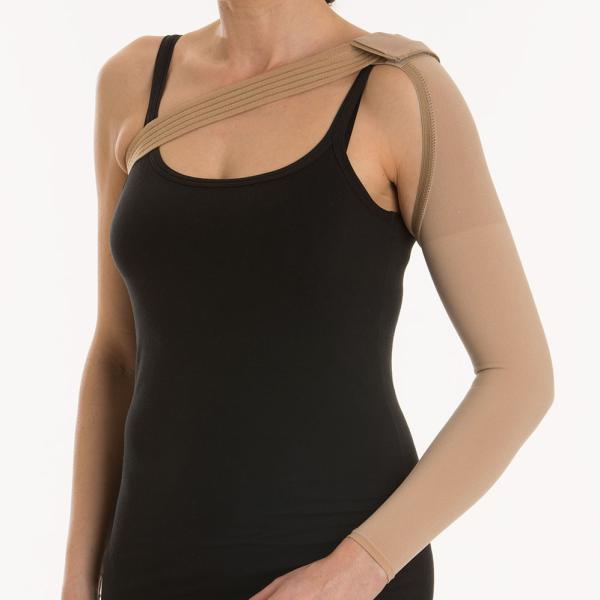
A compression arm belt is a therapeutic support garment designed to extend compression coverage from the hand up through the shoulder, typically worn in combination with a standard compression sleeve. While a sleeve alone provides coverage along the arm, it can leave the upper arm and shoulder area without adequate compression a gap the arm belt is specifically designed to close.
By anchoring over the shoulder and connecting with the sleeve, the belt helps create a more continuous, complete compression system from the hand all the way to the shoulder.
Understanding Lymphedema and Venous Insufficiency
Lymphedema occurs when the lymphatic system is unable to properly drain lymph fluid, leading to swelling, most commonly in the arms or legs. This can result from surgery (particularly after lymph node removal, often associated with cancer treatment), radiation therapy, injury, or in some cases, a congenital condition affecting lymphatic function.
Venous insufficiency occurs when veins struggle to efficiently return blood to the heart, often due to weakened or damaged vein valves. This can lead to blood pooling, swelling, and discomfort, particularly with prolonged standing or inactivity.
Both conditions benefit significantly from consistent, well-fitted compression therapy, which helps support fluid movement and reduce the swelling and discomfort associated with each condition.
How Does a Compression Arm Belt Help?
When used together with a compression sleeve, an arm belt offers several specific benefits:
1. Extended Coverage from Hand to Shoulder Rather than leaving the upper arm uncovered, the belt extends therapeutic compression all the way to the shoulder, closing a common gap in sleeve-only compression setups.
2. Preventing Swelling Migration Without full coverage, fluid can sometimes shift upward into the uncovered upper arm area a phenomenon sometimes seen when compression stops partway up the limb. The arm belt helps prevent this upward migration, supporting more complete symptom control.
3. Improved Edema Containment By working together with the sleeve as a connected system, the belt helps contain swelling more comprehensively across the entire arm, rather than just the portion covered by the sleeve alone.
4. Secure, Comfortable Fit for Daily Wear A well-designed arm belt is built to stay securely in place through normal daily movement, supporting consistent therapeutic benefit throughout the day without frequent readjustment.
Key Features to Look for in a Compression Arm Belt
Soft, Skin-Friendly Material Garments made with high-quality, exclusive cotton or similar soft fabric offer natural comfort against the skin, which matters significantly for a product worn for extended daily periods.
Breathability Breathable fabric helps keep the arm cool and comfortable during all-day wear, reducing the likelihood of heat buildup or skin irritation that can come with prolonged compression wear.
Secure, Non-Slip Design A good arm belt should hold firmly in place on the arm and shoulder without slipping during normal daily movement and activity.
Durable Construction Since compression garments are typically worn daily over extended treatment periods, durable, well-woven material matters for maintaining consistent compression and garment lifespan over time.
Appropriate Sizing Compression arm belts are generally available in a range of sizes to accommodate different body types, and proper sizing is essential for achieving the intended therapeutic compression level.
Who Can Benefit from a Compression Arm Belt?
- Individuals managing lymphedema in the arm, particularly following lymph node removal or cancer-related treatment
- People with venous insufficiency affecting the arm, leading to swelling or discomfort
- Anyone using a compression sleeve who experiences swelling migrating into the upper arm or shoulder area
- Patients recovering from arm-related surgery or injury where fluid management is part of recovery care
How to Use a Compression Arm Belt
- Put on your compression sleeve first, following your prescribed fit and sizing.
- Position the arm belt over the shoulder, connecting it to extend coverage from the top of the sleeve.
- Adjust for a secure, comfortable fit supportive without being overly tight or restrictive.
- Wear consistently as recommended by your healthcare provider or lymphedema therapist, since consistent use typically supports the most effective symptom management.
Caring for Your Compression Garments
- Hand wash or use a gentle machine cycle as recommended by the manufacturer to preserve elasticity and compression effectiveness.
- Avoid high heat when drying, since this can degrade the fabric's compression properties over time.
- Replace garments periodically as recommended, since compression fabric naturally loses some effectiveness with repeated wear and washing over months of use.
Working with a Healthcare Provider
Compression garments, including arm belts, are most effective when fitted and recommended by a healthcare provider or certified lymphedema therapist, who can assess:
- The appropriate compression level for your specific condition
- Correct sizing to ensure effective, comfortable therapeutic compression
- Whether an arm belt is appropriate alongside your current sleeve, or whether additional treatment approaches may also be beneficial
Final Thoughts
For individuals managing lymphedema or venous insufficiency in the arm, a compression sleeve alone doesn't always tell the whole story the upper arm and shoulder area often need coverage too. A well-designed compression arm belt closes that gap, working alongside your sleeve to provide more complete, consistent therapeutic support throughout the day. As with any compression therapy, proper fit and guidance from a healthcare provider are key to getting the most benefit from your garment.
Compression Arm Belt
Sale
Sale
Latest Posts