DVT Pumps vs. Compression Stockings: Which One Do You Need?
DVT Pumps vs. Compression Stockings: Which One Do You Need?
When it comes to preventing deep vein thrombosis (DVT), two of the most commonly recommended tools are DVT pumps (intermittent pneumatic compression devices) and compression stockings. Both aim to improve blood flow in the legs and reduce clot risk, but they work differently and are suited to different situations. Here's a detailed comparison to help you understand which option or combination might be right for you.
The Basics: What's the Difference?
Compression stockings are elastic garments that apply continuous, graduated pressure to the legs tighter at the ankle and gradually looser toward the thigh. This steady pressure helps prevent blood from pooling in the lower legs.
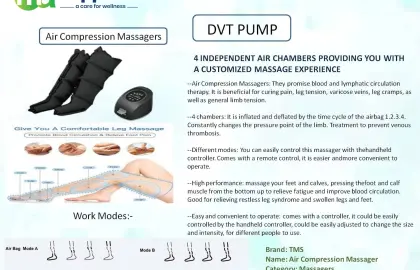
DVT pumps use inflatable sleeves connected to a motorized pump that delivers rhythmic, sequential compression, actively squeezing and releasing the legs to mechanically push blood upward, mimicking the effect of walking.
How They Work
- Compression stockings rely on passive, constant pressure. They don't move or pulse the compression is built into the fabric and depends on the fit and compression level (measured in mmHg) of the garment.
- DVT pumps deliver active, dynamic pressure through inflate-and-deflate cycles, actively assisting circulation rather than simply applying steady pressure.
This difference in mechanism is one of the biggest factors in deciding which option fits a particular situation.
Effectiveness
Both methods are backed by clinical use, but they tend to be recommended in different contexts:
- DVT pumps are often considered more effective for patients at high risk of clotting, such as those immediately after major surgery or during extended bed rest, because the active pumping action more closely replicates natural muscle movement.
- Compression stockings are frequently used for lower-to-moderate risk prevention, as well as for managing chronic venous conditions like varicose veins or mild swelling, and are commonly used for long-term, everyday wear.
In many clinical settings, especially hospitals, the two are used together for patients at elevated risk, combining continuous compression with active pumping for added protection.
Comfort and Wearability
- Compression stockings are lightweight, fabric-based, and easy to wear under clothing, making them practical for all-day use, including at work or while traveling.
- DVT pumps involve a pump unit and tubing connected to the leg sleeves, which is bulkier and generally used while resting, sleeping, or sitting for extended periods rather than during active movement.
For patients who need mobility throughout the day, stockings are often more practical. For those who are largely immobile (post-surgery, hospitalized, or resting for extended periods), a DVT pump can provide more active support during those still periods.
Convenience and Portability
- Compression stockings are simple to put on, require no power source, and are easy to travel with just slip them on and go.
- DVT pumps require a power source (or battery, for portable models) and take a bit more setup, though many modern home-use models are compact and designed for portability.
Cost
- Compression stockings are generally the more affordable option, especially for everyday preventive use, and are widely available over the counter in various compression levels.
- DVT pumps typically cost more due to the electronic pump component, though they may be covered by insurance when prescribed for medical necessity, particularly post-surgery.
Who Might Prefer Compression Stockings?
- People with mild-to-moderate clot risk, such as those taking long flights or car trips
- Individuals managing chronic venous insufficiency, varicose veins, or general leg swelling
- People who need all-day, discreet wear during normal daily activities
- Those looking for a lower-cost, long-term preventive option
Who Might Prefer a DVT Pump?
- Post-surgical patients, especially after orthopedic or major abdominal surgery
- Hospitalized or bedridden patients with limited mobility
- Individuals with a history of DVT or pulmonary embolism who need more active prevention
- People with higher clot risk due to conditions like cancer, obesity, or clotting disorders
Can You Use Both?
Yes in fact, many patients use both together, particularly in hospital settings or immediately following surgery. Compression stockings provide continuous background support, while the DVT pump adds active, rhythmic compression during periods of rest or immobility. Combining both methods can offer more comprehensive protection for high-risk patients.
A Note on Medical Guidance
The right choice between a DVT pump, compression stockings, or both depends on individual risk factors, mobility level, and medical history. This article is intended for general educational purposes and isn't a substitute for personalized medical advice always consult your doctor to determine the best clot-prevention approach for your situation.
Final Thoughts
DVT pumps and compression stockings both play valuable roles in reducing blood clot risk, but they're built for different needs. Stockings offer simple, all-day, passive support well-suited to everyday prevention, while DVT pumps provide active, mechanical compression best suited to higher-risk periods of limited mobility. In many cases, the two work best as complementary tools rather than either-or choices guided by your healthcare provider's recommendation.
DVT Pumps
-53%
Latest Posts