How to Choose the Right Hydrophilic Urinary Catheter: A Buyer's Guide
How to Choose the Right Hydrophilic Urinary Catheter: A Buyer's Guide
Choosing a hydrophilic urinary catheter can feel overwhelming at first. There are different sizes, tip styles, lengths, and packaging formats, and the wrong match can affect both comfort and results. This guide breaks down what to look for so you can order with confidence, whether you're buying for yourself, a family member, or a clinic.
Catheter size, type, and schedule should always be confirmed with your doctor, urologist, or continence nurse. This guide is for general education only.
Start with the Basics: Why Hydrophilic?
A hydrophilic catheter has a water-activated polymer coating that turns slippery when moistened, so no separate lubricant is needed. Manufacturers commonly state that this coating can reduce friction by up to 95% compared with uncoated catheters, which is why many people find insertion and removal noticeably more comfortable. Reduced friction is also linked to less irritation of the urethral lining, which matters most for people who catheterize several times a day.
If you're still deciding between coated and uncoated options, the short version is that hydrophilic catheters usually cost more per piece but offer better comfort and convenience, especially for frequent users.
1. Choose the Correct French Size
French (Fr) size is the diameter of the catheter. One French unit is roughly 0.33 mm, so a higher number means a thicker catheter. Hydrophilic catheters are commonly available from around 10 Fr up to 18 Fr.
- Smaller sizes (around 10-12 Fr) are often used for narrower urethras or where a thinner catheter is preferred.
- Medium sizes (around 12-14 Fr) are the most common range for adult use.
- Larger sizes (around 16-18 Fr) may be used for specific clinical situations, such as thicker urine or particular anatomical needs.
The right size is determined by your healthcare provider, not by personal preference. Going too small can slow drainage, while going too large can increase discomfort. If you're reordering, copy the size from your previous pack or prescription exactly.
2. Pick the Right Length: Male or Female
Catheters are made in different lengths to suit anatomy.
- Male-length catheters are longer, typically around 35 cm, to reach the bladder through the longer male urethra.
- Female-length catheters are shorter, and some compact designs are made for easy handling and discreet carrying.
Many suppliers list "Male" and "Female" as separate options, so make sure you select the correct one when ordering. Using the wrong length can make insertion difficult or ineffective.
3. Decide Between Straight and Coudé Tips
Straight tip catheters suit most users with typical anatomy and are the standard choice.
Coudé (curved) tip catheters have a slightly angled tip that can help navigate past obstructions, such as an enlarged prostate or a urethral stricture. If you've had difficulty passing a straight catheter, ask your provider whether a coudé tip might help.
4. Check the Activation Method
Hydrophilic catheters generally come in two formats:
- Ready-to-use (pre-soaked): The catheter is already in activation solution inside the pack. Open and use. This is the most convenient option for travel, work, or anywhere without easy access to water.
- Water-activated with a sachet: A small sterile water or saline sachet is included. You pour it over the catheter, wait about 30 seconds, and then use it.
Ready-to-use formats are usually preferred for on-the-go use, while sachet formats can be a good fit for people who mostly catheterize at home.
5. Look at Materials and Allergies
Quality catheters are made from medical-grade materials such as PVC, polyurethane, or silicone, with a biocompatible hydrophilic coating. If you or the person you're buying for has a latex allergy, confirm that the product is latex-free. Hypoallergenic, latex-free options are widely available and are the safer choice for sensitive users.
6. Verify Sterility and Packaging
Each catheter should come in an individual sterile pack, sealed and intact. Before using any catheter:
- Check the expiry date
- Inspect the packaging for tears, leaks, or damage
- Do not use a catheter if the pack looks compromised
- Store unopened catheters in a cool, dry place, in original packaging, as the label directs
Single-use design is important. Hydrophilic catheters are meant to be used once and discarded.
7. Check Quality Standards
When you're buying online especially, look for signs of quality assurance. Reputable catheters are typically tested for sterility and biocompatibility, with reference to standards such as ISO 10993, and are made under recognized medical device quality systems. Don't hesitate to ask the seller for documentation if it isn't listed.
8. Compare Value, Not Just Price
A hydrophilic catheter can cost more per unit than a basic uncoated one, but the comparison isn't that simple. Consider:
- Comfort and adherence: A more comfortable catheter makes it easier to stick to your schedule.
- Convenience: No separate lubricant to buy or carry.
- Potential long-term savings: Fewer irritation or infection problems can mean fewer doctor visits and treatments, although individual results vary.
- Bulk pricing: Buying in larger quantities, or through wholesale options, often lowers the per-piece cost, which is useful for regular users and clinics.
Also check whether your insurance or healthcare plan covers hydrophilic catheters when prescribed, as coverage rules differ by plan and region.
9. Consider Delivery, Support, and Reordering
Catheters are a recurring need, so it helps to buy from a supplier that offers reliable delivery, clear product information, and easy reordering. Look for:
- Clear listing of sizes, lengths, and tip styles
- Responsive customer support for sizing or ordering questions
- Accurate delivery estimates
- Options to chat or request a quote for bulk or clinic orders
Keeping a small buffer stock at home, and a few spares in your travel bag, helps you avoid running out unexpectedly.
A Quick Buying Checklist
Before you place your order, confirm:
- Correct French size as prescribed
- Correct length (male or female)
- Correct tip style (straight or coudé)
- Activation type that suits your lifestyle (ready-to-use or sachet)
- Latex-free if needed
- Sterile, intact individual packaging and a valid expiry date
- Quantity that matches your daily catheterization schedule, plus a spare supply
Common Buying Mistakes to Avoid
- Guessing the size. Always follow your provider's prescription.
- Mixing up male and female lengths. Double-check before checkout.
- Buying only the cheapest option. Quality, sterility, and comfort matter more than a small saving.
- Ignoring expiry dates. Check them on delivery and before every use.
- Reusing catheters. Single-use means single-use, even if the catheter looks clean.
- Not ordering spares. Delays happen, so keep a reserve.
Frequently Asked Questions
Do I still need lubricant with a hydrophilic catheter? No. The coating becomes the lubricant once activated with water or the included solution.
How many times can I use one catheter? Once. Hydrophilic catheters are sterile, single-use devices and should be disposed of after each use.
Can I travel with hydrophilic catheters? Yes. Their compact, self-contained packs are easy to carry in a bag or pocket. Keep supplies in your carry-on when flying.
Are hydrophilic catheters safe for people with latex allergies? Many are latex-free, but always confirm on the product listing before buying.
Do they eliminate the risk of UTIs? No catheter can do that. They can support better comfort and may help lower irritation, but good hand hygiene and proper technique remain essential.
What if the size feels wrong? Don't change sizes on your own. Speak to your healthcare provider, who can reassess size, length, and tip style.
Final Thoughts
The right hydrophilic catheter comes down to a handful of choices: the correct French size, the right length, the appropriate tip style, an activation format that fits your routine, and a supplier you can trust for sterile, quality-assured products. Take a few minutes to check each detail, confirm your prescription with your healthcare provider, and keep a small spare supply on hand. Getting these basics right makes everyday catheterization more comfortable and far less stressful.
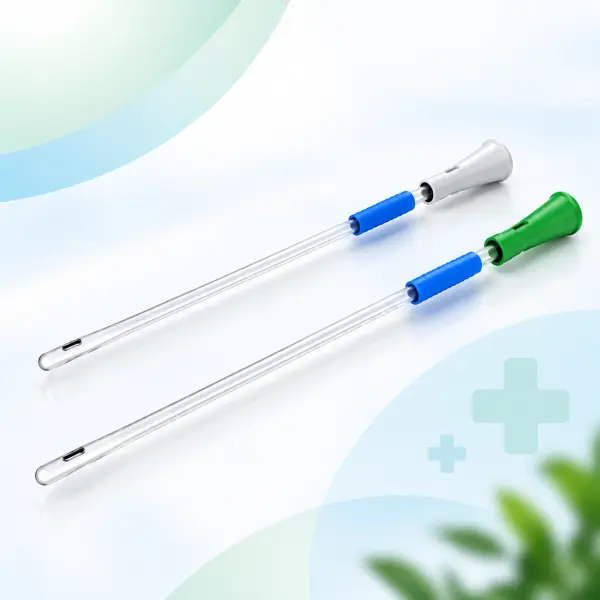
Hydrophilic Urinary Catheter
Hot
Latest Posts