Denis Browne Splint: A Parent's Guide to Clubfoot Correction and Relapse Prevention
Denis Browne Splint: A Parent's Guide to Clubfoot Correction and Relapse Prevention
If your baby has been diagnosed with clubfoot, your orthopaedic team has likely mentioned the Denis Browne Splint as part of the treatment plan. For many parents, this is the first time encountering the device, and it's natural to have questions about what it does, how it works, and why consistent use matters so much. This guide breaks down the essentials.
What Is Clubfoot?
Clubfoot, medically known as Congenital Talipes Equinovarus (CTEV), is one of the most common congenital musculoskeletal conditions affecting newborns. It involves a combination of four deformity components: the foot turns inward and downward, the heel tilts inward, and the arch is often more pronounced than normal. Left untreated, clubfoot can lead to significant pain and functional limitations as a child grows and begins walking.
The good news is that clubfoot is highly treatable, especially when addressed early in infancy.
The Ponseti Method: The First Step in Treatment
Most clubfoot cases today are treated using the Ponseti method, a globally recognized approach involving:
- Serial manipulation and casting - Over several weeks, the foot is gently manipulated into a corrected position and held in place with a series of plaster casts, each one incrementally improving alignment.
- Achilles tenotomy - In many cases, a minor procedure to lengthen the Achilles tendon is needed to fully correct the equinus (downward pointing) component of the deformity.
This casting phase achieves the initial correction but correction alone isn't the end of treatment.
Why Bracing Is Essential After Casting
Here's the part many parents don't expect: an infant's bones, ligaments, and tendons are still highly malleable, meaning the corrected foot has a natural tendency to drift back toward its original clubfoot position during infancy and early childhood. Without ongoing support, the hard-won correction from casting can gradually be lost.
This is where the Denis Browne Splint comes in. It's specifically designed to maintain the corrected foot position achieved through casting, giving the developing bones, ligaments, and tendons time to remodel and "set" into their new, corrected alignment as the child grows.
What Is a Denis Browne Splint?
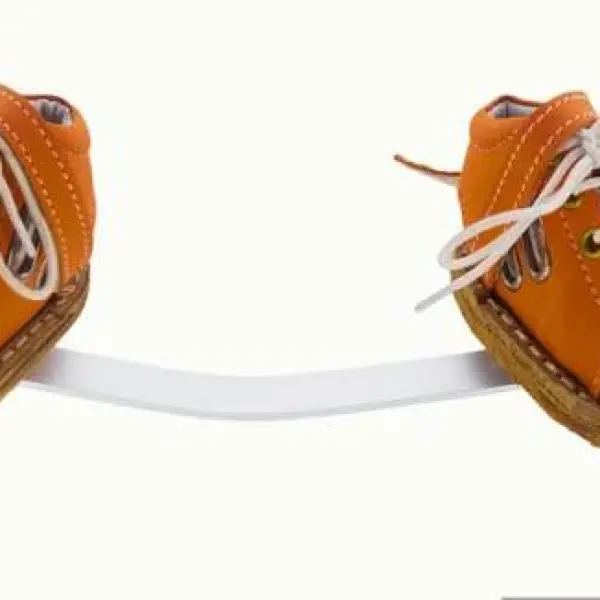
The Denis Browne Splint also called a foot abduction orthosis or Denis Browne bar is a paediatric bracing device consisting of:
- An adjustable crossbar, typically made of aluminium, that connects two footplates
- Moulded shoe inserts or boots at each end, shaped to hold the feet securely in the corrected position
The device holds both feet (or one, in unilateral cases) in an externally rotated, slightly upward-angled position mirroring the position achieved in the final corrective cast.
How Does It Work?
The mechanics are simple but effective. The crossbar acts as a fixed-width spacer, keeping both feet apart at hip-width and maintaining a position of hip abduction. Each footplate is set at a specific rotation angle determined by the treating orthopaedic surgeon often around 60–70 degrees on the affected side, and slightly less on the unaffected side for unilateral cases.
As your baby naturally kicks and moves their legs, this motion works with the splint rather than against it, applying gentle, ongoing corrective force through the crossbar. In effect, everyday infant movement becomes part of the therapy itself.
Typical Wear Schedule
Bracing protocols vary based on your child's specific case, but a common general pattern includes:
- Full-time wear (around 23 hours a day) for approximately the first three months after casting is complete
- Gradual reduction to nighttime and nap-time wear only, often continuing for several years, sometimes up to age four or five
Your orthopaedic team will provide the specific schedule for your child, and it's important to follow it closely even after the foot looks visibly corrected, since the underlying tissues still need time to fully remodel.
Why Consistent Use Matters So Much
Research and clinical experience both point to the same conclusion: the leading cause of clubfoot relapse is inconsistent bracing, not a failure of the casting or splint itself. This makes parental adherence to the wear schedule one of the single most important factors in long-term success.
It's understandable that consistent bracing can feel challenging, especially in the early weeks. A few things that can help:
- Getting the fit right early. A well-fitted splint should hold the foot securely without causing pressure sores, redness, or skin irritation the most common reason families struggle with consistent wear.
- Building it into routine. Many parents find it easier to maintain nighttime wear once it becomes part of the regular bedtime routine.
- Checking skin regularly. Inspecting the feet for redness or irritation, especially during the full-time wear phase, helps catch and address minor issues before they become bigger barriers to compliance.
- Staying in touch with your care team. If your baby seems unusually distressed, or you notice skin issues, contact your orthopaedic provider rather than reducing wear time on your own.
Beyond Clubfoot: Other Uses
While most closely associated with clubfoot management, Denis Browne-style splints are also used for related paediatric foot conditions, including metatarsus adductus, internal tibial torsion, and post-surgical foot positioning following tendon or soft tissue procedures. In all these cases, the underlying principle is the same holding the foot in a specific corrected position while the developing skeleton remodels.
Choosing the Right Size and Fit
Denis Browne Splints are typically sized based on shoe size and adjusted for crossbar width as your child grows. Since infants grow quickly, the crossbar's adjustability allows the device to be reconfigured over time without necessarily needing a full replacement though your orthopaedic provider will guide you on when adjustments or a new size are needed.
When to Contact Your Care Team
Reach out to your orthopaedic provider if you notice:
- Persistent redness, sores, or skin breakdown at pressure points
- Signs of pain or unusual distress beyond typical adjustment fussiness
- The foot appearing to slip out of position within the splint
- Difficulty achieving the prescribed wear schedule
Early communication helps address small issues before they affect the overall success of treatment.
Final Thoughts
The Denis Browne Splint plays a quietly essential role in clubfoot treatment not correcting the deformity itself, but protecting and maintaining the correction achieved through casting until a child's developing foot can hold that position on its own. For parents, understanding why consistent wear matters so much can make the daily routine feel less like an inconvenience and more like an active, meaningful part of giving their child the best possible long-term outcome.
Dennis Brown Splint
-32%

Hot
Latest Posts