Denis Browne Splint Buying Guide: Choosing the Right Size and Features
Denis Browne Splint Buying Guide: Choosing the Right Size and Features
Whether you're a parent preparing for post-casting bracing or a clinic stocking supplies for paediatric orthopaedic patients, choosing the right Denis Browne Splint matters. The device plays a critical role in maintaining clubfoot correction, so fit, adjustability, and build quality all directly affect treatment success and comfort. Here's what to look for.
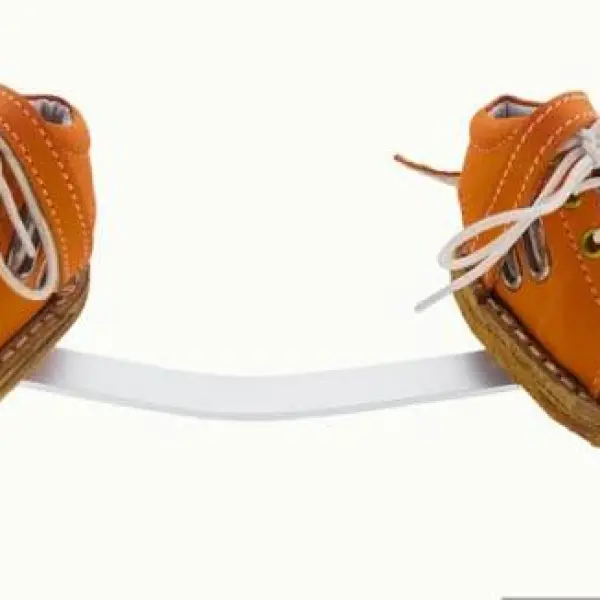
Understanding the Core Components
Before comparing options, it helps to know what makes up a Denis Browne Splint:
- The crossbar - connects the two footplates and determines hip-width spacing
- Footplates or boots - hold each foot in the corrected rotational position
- Straps or closures - secure the foot within each boot
- Rotation adjustment mechanism - allows each footplate to be set at the prescribed angle
Understanding these parts helps you evaluate the quality and functionality of different options.
Sizing: What Determines the Right Fit
Shoe/Boot Size Denis Browne Splints are typically sized according to standard infant/toddler shoe sizing, corresponding to foot length. Since babies grow quickly during the bracing period, it's worth checking with your orthopaedic provider on:
- The current recommended size based on your child's foot measurements
- How often reassessment and resizing are typically needed during treatment
- Whether the specific splint model offers any size adjustability to extend its usable period
Crossbar Width The crossbar should be set to match hip width, generally corresponding to the distance between the child's shoulders. An adjustable crossbar allows this measurement to be fine-tuned and updated as your child grows, without necessarily requiring an entirely new device each time.
Rotation Angle Settings The rotation angle for each foot is prescribed individually by your orthopaedic surgeon (commonly around 60–70 degrees on the affected side and less on the unaffected side for unilateral cases). Look for a splint that allows precise, secure rotation adjustment that won't shift unintentionally during use.
Key Features to Look For
1. Adjustable Crossbar Length An adjustable crossbar accommodates growth over time, potentially extending the usable life of a single device before a larger size is needed a practical consideration for cost and convenience.
2. Secure, Easy-to-Use Locking Mechanisms Rotation and crossbar adjustments should lock securely in place once set by your provider, without loosening or shifting during normal use and movement.
3. Comfortable, Breathable Boot Material Since the boots are worn for extended periods especially during the initial full-time bracing phase breathable, skin-friendly material helps reduce irritation and discomfort with prolonged wear.
4. Secure Heel Cup Design A well-designed boot holds the heel firmly seated at the back of the footplate, which is essential for effective correction. Look for boots with a supportive heel cup shape rather than a flat, unstructured interior.
5. Adjustable, Comfortable Straps Straps should allow fine adjustment for a snug (not tight) fit and ideally use soft, skin-friendly material at contact points to reduce friction and pressure marks.
6. Lightweight Construction A lighter crossbar and boot design can make it easier for babies to move their legs naturally within the splint, supporting the kicking motion that contributes to ongoing correction.
7. Durable, Easy-to-Clean Materials Since the splint is worn daily over months (sometimes years), materials that hold up to repeated use and are easy to wipe clean matter for long-term practicality.
Style Considerations
Standard vs. Dynamic Bar Systems Most traditional Denis Browne Splints use a fixed, rigid crossbar. Some newer designs offer a "dynamic" bar with limited flexibility, intended to allow slightly more independent leg movement while maintaining rotational correction. Discuss with your orthopaedic provider whether a standard or dynamic system is recommended for your child's specific case, since this decision is clinical rather than a matter of personal preference.
Shoe-Style vs. Open Footplate Designs Some splints use a full enclosed boot, while others use an open sandal-style footplate. Each has trade-offs in terms of breathability, ease of putting on, and how securely the heel is held your provider can advise on which style best suits your child's needs.
What Clinics Should Consider When Stocking Splints
For orthopaedic clinics or paediatric practices sourcing Denis Browne Splints for patient use:
- Range of sizes in stock, since infants progress through sizes relatively quickly during treatment
- Consistent quality and calibration of rotation settings, ensuring accurate, reliable adjustments across units
- Supplier reliability and lead times, to avoid treatment delays when a specific size is needed urgently
- Documentation and compliance certifications relevant to paediatric medical devices in your region
- Parent-friendly design features, since ease of application directly affects at-home compliance a major factor in treatment success
Common Buying Mistakes to Avoid
- Choosing based on price alone A cheaper splint with poor heel cup design or unreliable locking mechanisms can compromise both comfort and treatment effectiveness.
- Overlooking growth room Selecting a splint without considering how soon your child may outgrow it can lead to more frequent, costly replacements.
- Ignoring material quality Stiff or non-breathable materials can increase skin irritation risk during extended wear.
- Skipping professional fitting Even a well-made splint needs to be properly fitted and calibrated by your orthopaedic provider; buying and self-adjusting without professional guidance isn't recommended.
Questions to Ask Before Purchasing
- What size range does this splint accommodate, and how is resizing typically handled as my child grows?
- Is the crossbar adjustable, and how is the rotation angle set and locked in place?
- What material is used for the boots, and how breathable is it for extended wear?
- Does this splint come with clear fitting instructions, and is support available if I have fitting questions?
- What is the expected durability of the device across the typical bracing period?
Final Thoughts
Choosing the right Denis Browne Splint comes down to more than just picking a size off a chart fit precision, material comfort, and secure, reliable adjustability all play a role in how effectively the device supports your child's clubfoot correction. Whether you're a parent selecting a splint with your orthopaedic team's guidance or a clinic sourcing supplies for patients, prioritising quality construction and proper fit pays off in both comfort and long-term treatment success.
Dennis Brown Splint
-32%

Hot
Latest Posts